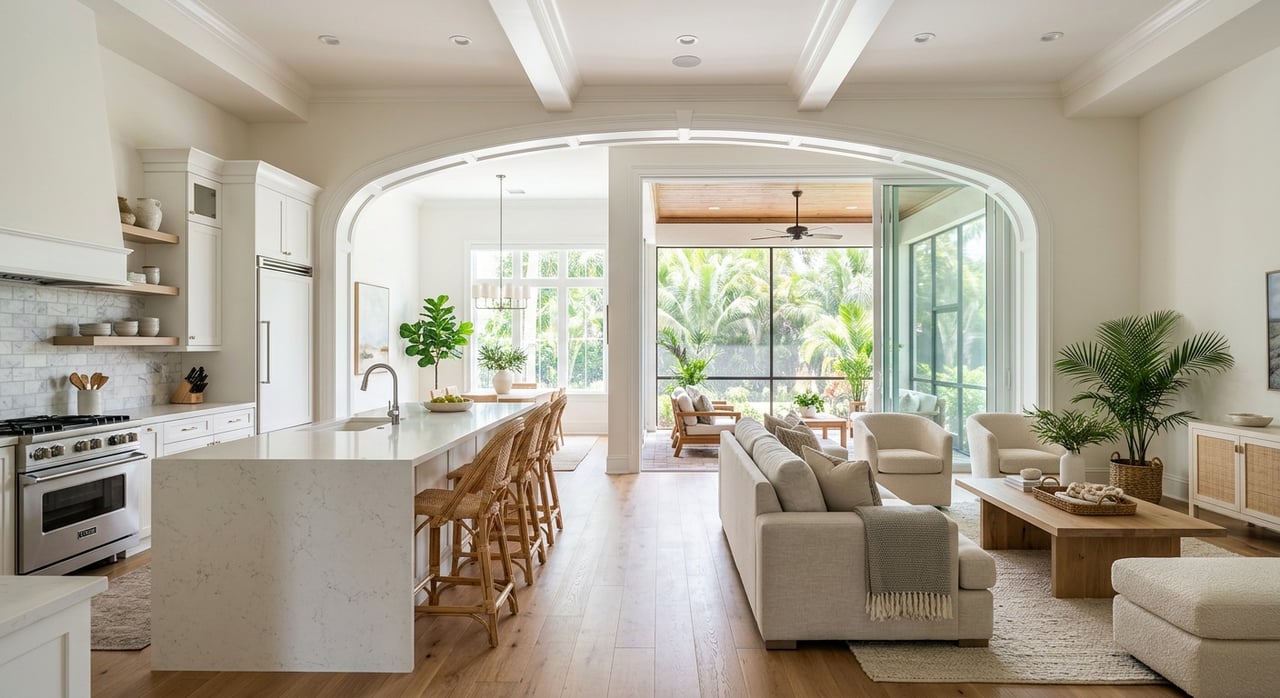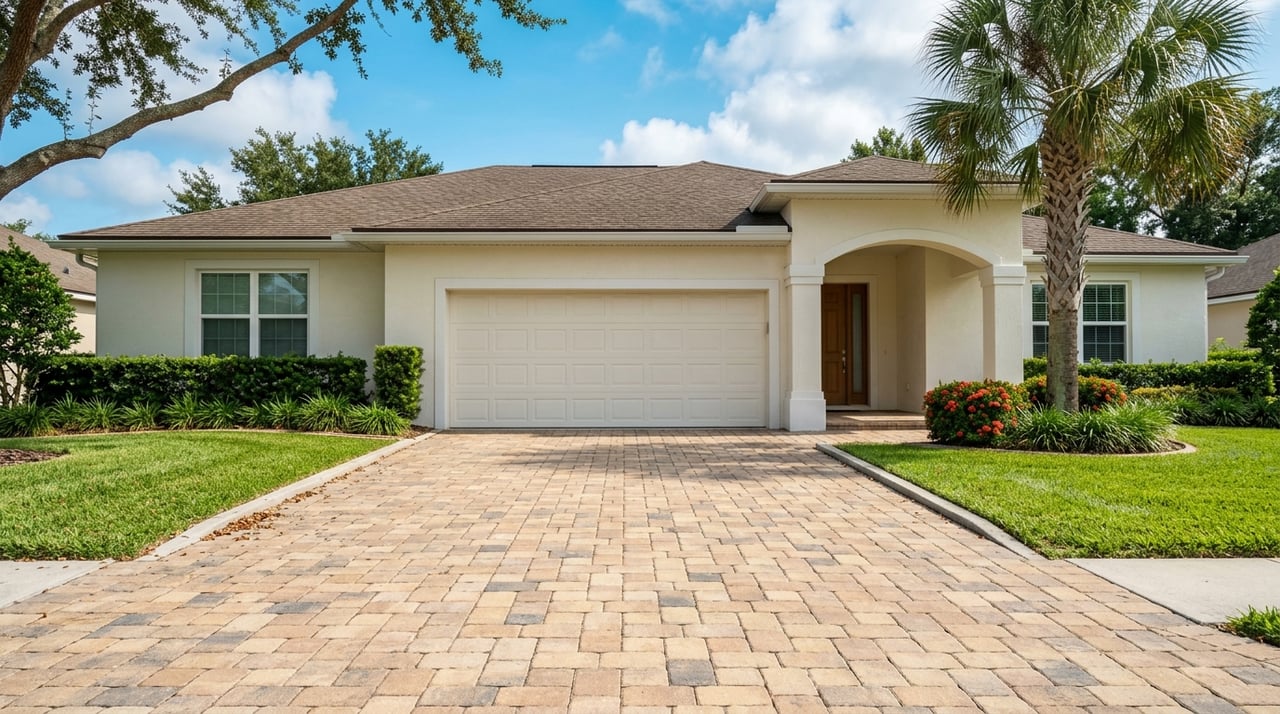
Thinking about selling a waterfront home in Weeki Wachee or Hernando Beach? You already know buyers are paying for more than a house. They want boat access, strong shoreline structures, and the salt-life lifestyle. If you want top dollar with fewer surprises, you need a plan that fits our coastal market realities.
In this guide, you’ll learn what drives value, what to gather before you list, and how to handle flood zones, permits, pricing, and marketing. Whether you live in Sugarmill Woods and own a nearby waterfront home or you’re planning a move across Citrus and Hernando, here’s how to prepare for a confident sale. Let’s dive in.
Local snapshot: access and lifestyle
Weeki Wachee and Hernando Beach sit on canals and river systems that connect to the Gulf of Mexico. Buyers care about how easily they can reach open water. Bridge clearance, channel depth, and tidal influence all affect your value. If there are shoaling areas or seasonal low tides, call them out clearly.
Local shorelines often include mangroves, seagrass beds, and wetlands. These areas are commonly protected and influence what you can do with docks, seawalls, or trimming. Utilities also matter. Septic vs. sewer and local stormwater setup can be selling points or challenges. Proximity to marinas, boat ramps, and coastal amenities adds appeal.
If you live in Sugarmill Woods, you’re close to these coastal neighborhoods. Your buyers are often boaters, anglers, or seasonal residents targeting the same access and lifestyle benefits.
Know your waterfront value
Access, depth, and bridges
Buyers pay premiums for deep water at the dock, a clear path to the Gulf, and minimal fixed bridges. Document low-tide depth, bridge clearance, and typical travel times to open water. Be factual and specific.
Shoreline structures and condition
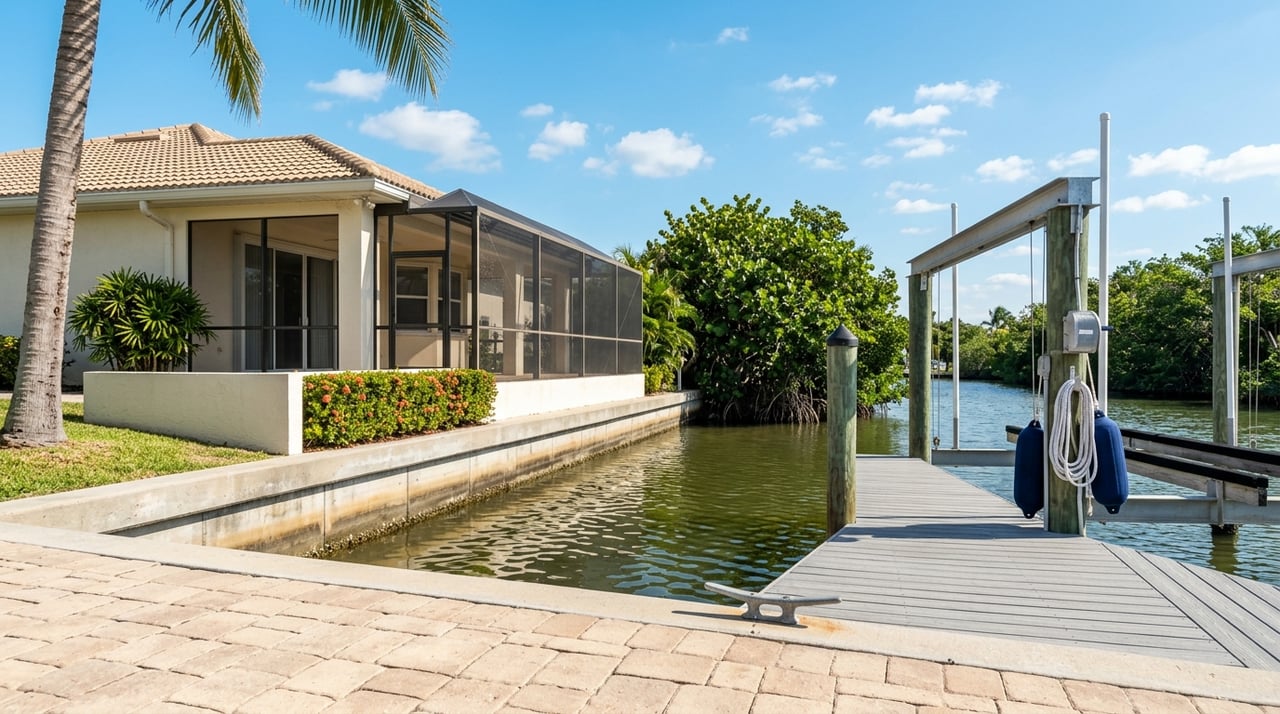
A solid, permitted seawall and a well-maintained dock or boat lift are major value drivers. Prior repairs with documentation build trust. Unpermitted or damaged structures, erosion, and deferred maintenance push prices down and can stall financing.
Views, privacy, and frontage
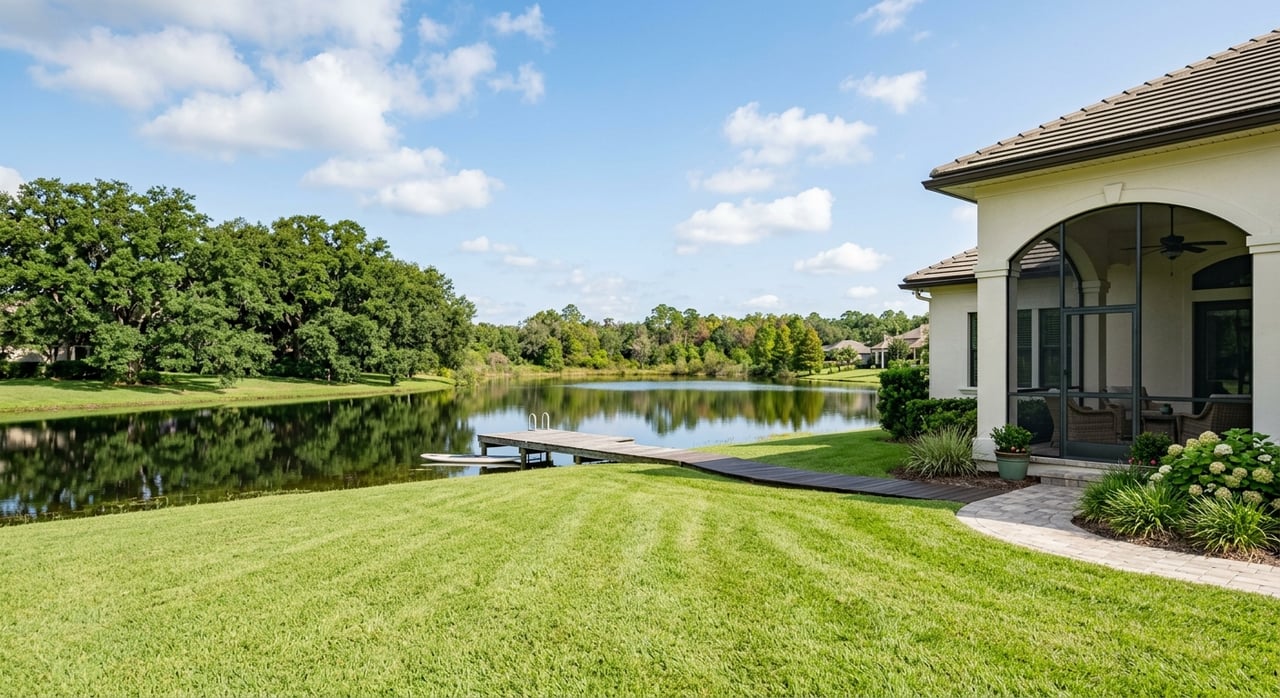
Unobstructed views, length of water frontage, and privacy set your home apart. Keep view corridors tidy and legal, and make sure any vegetation work follows local rules.
Utilities and location perks
Sewer service, effective drainage, and proximity to marinas or ramps help justify stronger pricing. Shoreline pest control and a neat waterfront yard support buyer confidence.
Permits, rights, and rules
Local permits
Hernando County and Citrus County issue permits for docks, seawalls, lifts, and shoreline work. Pull your permit history before listing and provide copies. Buyers and lenders look for this.
State and federal layers
Coastal work may require approvals from the Florida Department of Environmental Protection and, in some cases, the U.S. Army Corps of Engineers. Structures seaward of mean high water or on state-owned submerged lands often have special rules. If you have past approvals, include them in your file.
HOAs, easements, and riparian rights
Confirm recorded easements, deeded water access, and any HOA rules affecting docks, boat lifts, or rentals. Provide the covenants and any community regulations to buyers early.
Seller disclosures
Florida sellers must disclose known material facts. Be clear about any flood history, shoreline issues, repairs, and code matters. A current seller property disclosure form helps reduce risk and renegotiations.
Flood, insurance, and financing
Flood zones and elevation certificates
Identify your FEMA flood zone and locate any prior elevation certificate. If your home is in a Special Flood Hazard Area, lenders typically require flood insurance. An up-to-date elevation certificate helps insurers and lenders price and underwrite coverage more accurately.
Insurance costs and wind mitigation
Windstorm coverage and hurricane deductibles are part of coastal ownership. Older homes may benefit from wind mitigation updates. High insurance costs can narrow the buyer pool, so be transparent and ready to discuss recent improvements or quotes.
Mortgage and unpermitted work
Unpermitted or unsafe shoreline structures can delay or derail loans. If you suspect past work lacks permits, consult local building departments in advance and consider corrective steps before listing.
Pre-listing inspections and documents
Gathering the right paperwork early builds credibility and shortens timelines. Prioritize:
- Seawall or bulkhead inspection and any repair records
- Dock and boat lift inspection, including electrical safety checks
- Survey showing waterline, bulkhead line, and easements
- Elevation certificate, if available
- Roof and structural inspection reports
- Pest and septic inspections, if applicable
- Permits and approvals for past shoreline work or mangrove trimming
- Utility records and maintenance receipts for shoreline systems
Repairs and prep that pay off
Address safety issues first. Focus on seawall integrity and dock condition. Even small fixes like new dock decking or cleaned pilings improve perception. Tidy the shoreline, clear debris, and manage vegetation in line with local regulations. Stage outdoor living areas to highlight the lifestyle. A clean, functional waterfront space helps buyers picture daily life on the water.
Professional aerial, drone, and twilight photography add real value. Show the path to the Gulf, bridge locations, and the property’s water frontage. Waterline video is a plus when allowed by local drone rules.
Pricing and comps that make sense
Use comparable sales from the same waterbody or channel when possible. Pay attention to:
- Length of waterfront and view quality
- Water depth at low tide and number of bridges
- Condition and permitting of seawall, dock, and lift
- Flood zone and elevation data
- Year built, updates, and overall condition
Be upfront about limitations. If you have shallow water, a fixed bridge, or septic considerations, disclose them. Transparent pricing aligned to real waterfront comps helps you avoid long days on market and steep price cuts later.
Marketing that moves buyers
Target buyers who value boating, fishing, and coastal living. Use specialized listing fields and clear keywords like “private dock,” “deep water,” “no fixed bridges,” and “seawall repaired.” Pair them with crisp visuals that prove those claims.
Highlight proximity to marinas and boat ramps, and include simple navigation notes. Showcase recent maintenance and permits to set your home apart from listings that lack documentation.
Smooth showings and negotiations
Prepare short, documented answers to common questions:
- Is there deeded access or riparian rights recorded?
- When were seawall or dock repairs done and were they permitted?
- What is the FEMA flood zone and do you have an elevation certificate?
- How deep is water at low tide and are there fixed bridges to the Gulf?
- Are there HOA rules for docks, lifts, or rentals?
- If septic is present, when was it last serviced?
Keep copies of permits, surveys, inspection reports, and receipts in a neat digital packet for buyers and lenders. Confidence and clarity during showings often lead to cleaner contracts.
Quick seller checklist
- Gather permits, surveys, elevation certificate, and maintenance records
- Order seawall, dock, and lift inspections
- Obtain roof, structural, pest, and septic inspections as needed
- Pull HOA covenants and verify any dock or rental rules
- Confirm flood zone and discuss insurance considerations with your provider
- Get quotes for any shoreline or safety repairs
- Schedule professional aerial and waterfront photography
- Meet an experienced local agent to review comps and pricing
Next steps
Waterfront sales in Weeki Wachee and Hernando Beach reward preparation and documentation. When you present clear permits, honest disclosures, and strong visuals, you help buyers see the lifestyle and the value. If you are in Sugarmill Woods or nearby Citrus and Hernando communities, a local, waterfront-savvy approach can make all the difference.
Ready to build your plan? Connect with an agent who understands county permitting, coastal insurance, and the realities of Gulf access. Let’s create a pricing and marketing strategy tailored to your shoreline, depth, and dock. Reach out to Elizabeth Narverud to get started.
FAQs
What affects Weeki Wachee waterfront value most?
- Deep water at the dock, unobstructed Gulf access, a permitted and sound seawall and dock, quality views, and proximity to marinas are top drivers. Flood zone and insurance needs also matter.
How do I handle flood zones before listing?
- Identify your FEMA flood zone and locate any elevation certificate. If you are in a Special Flood Hazard Area, expect lender-required flood insurance and prepare documentation early.
Do I need permits for my dock or seawall to sell?
- Buyers and lenders expect permitted shoreline work. Confirm permits with Hernando or Citrus County, gather records, and address any unpermitted items before listing if possible.
What inspections should I order for a waterfront sale?
- Prioritize seawall, dock, and lift inspections, plus roof and structural checks. Add pest and septic inspections where applicable and include a current survey with waterline details.
Can mangroves or seagrass limit what I can do?
- Yes. Mangroves, seagrass, and wetlands are often protected. Work with the proper authorities before trimming or altering shoreline areas and keep related approvals in your file.