Craving the Gulf breeze, fresh seafood, and easy paddling without giving up the quiet of Sugarmill Woods? You are in a great spot. Hernando Beach and Weeki Wachee sit close enough for spontaneous day trips, yet they offer very different waterfront lifestyles. In this guide, you will learn how each area works, where you can launch, what home styles and maintenance to expect, and the permits and protections that shape life on the water. Let’s dive in.
Why these waterfronts fit Sugarmill Woods buyers
Hernando Beach is a canal community on Florida’s Nature Coast with a local marina scene and a working‑waterfront feel. Many residential canals connect to marked channels and the open Gulf. For a quick overview of the setting and access, see the general profile of Hernando Beach, Florida.
Weeki Wachee centers on a spring‑fed river known for its clear, cool water and protected recreation zones. Paddling is popular, and motorized use has specific rules near the headsprings and park. The park shares guidance for planning a river day and where to put in on its paddling trip page.
If you live in Sugarmill Woods, you can reach Weeki Wachee in the range of a quick day trip. TravelMath places it at about 19 miles by road, and Hernando Beach is a similar drive depending on your exact start. That makes after‑work paddles or Saturday scalloping runs realistic without moving full time to the coast.
Everyday access: canals, river, and Gulf
Hernando Beach canals and marinas
Hernando Beach has a web of man‑made and natural canals that feed to marked channels and the Gulf. Depth, shoaling, and tides vary by canal, so it is smart to verify approach depth for your boat and pay attention to idle‑speed and no‑wake zones. Local rules and navigation reminders are summarized in these boating regulations.
If you want full‑service support, local facilities like Hernando Beach Marinas offer fuel, haul‑outs, repairs, storage, and slips. For many residents, that means quick morning runs to the flats, a stop for ice and fuel, and an easy return to your dock before dinner.
Weeki Wachee river access and rules
The Weeki Wachee River flows west to the Gulf and stays cool year‑round thanks to its spring source. It is beloved for paddling and wildlife viewing, with the most sensitive stretches near the headsprings set aside for regulated, non‑motorized use. Most boaters launch at Rogers Park or at area marinas downstream of the state park, then idle downriver toward the Gulf. The state park outlines routes, put‑ins, and what to expect on its paddling plan.
Because this is a protected spring system, expect active enforcement of no‑wake, manatee protection, and no‑anchoring zones in specific reaches. Always stay in marked channels, avoid running across seagrass, and respect posted signs.
Home styles and community rhythm
Property types and common features
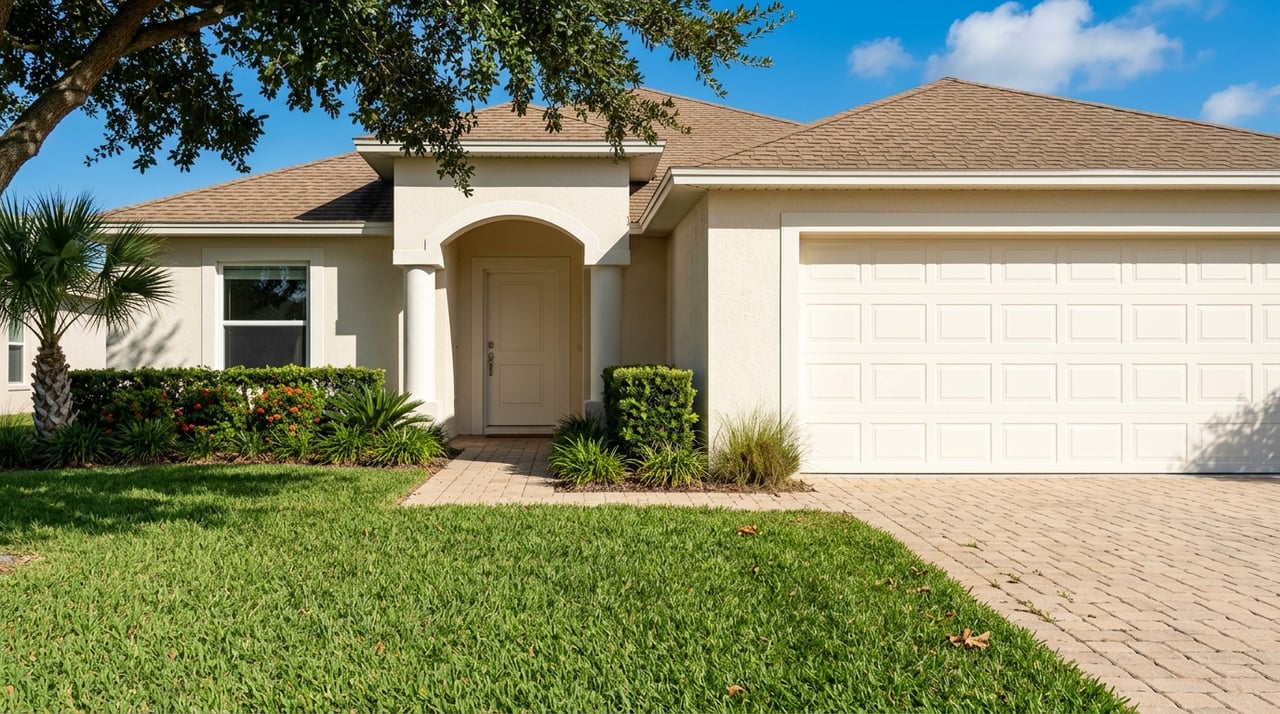
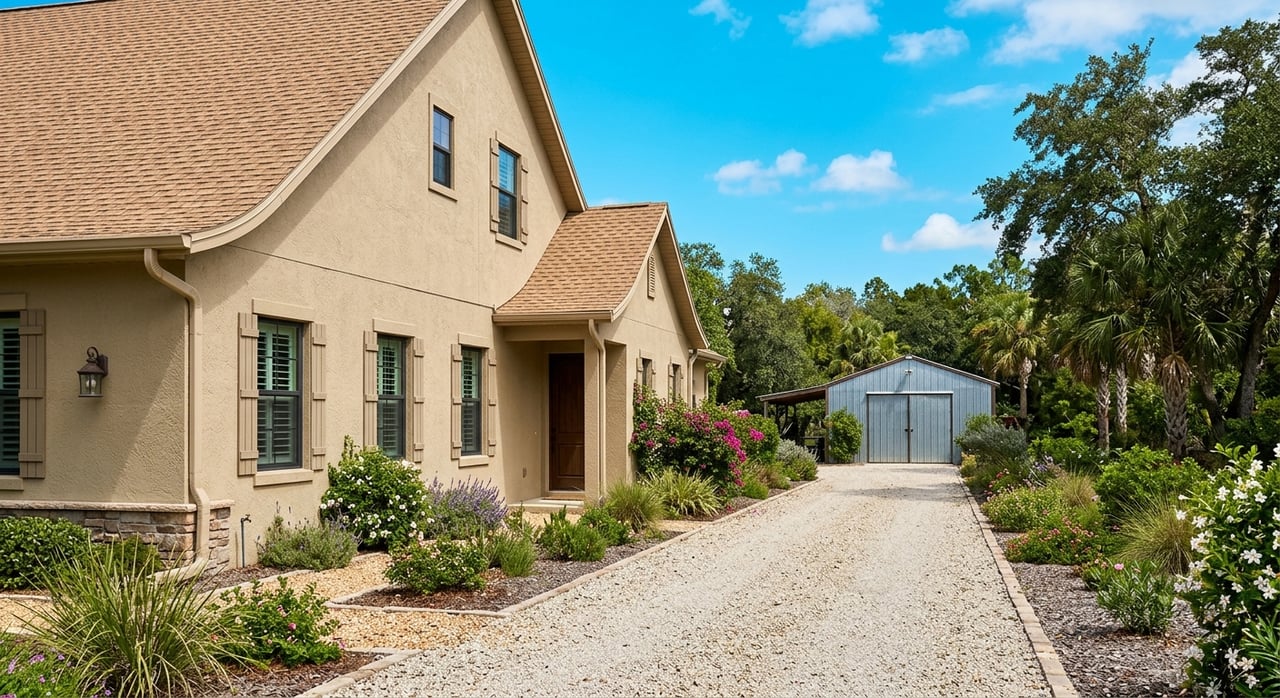
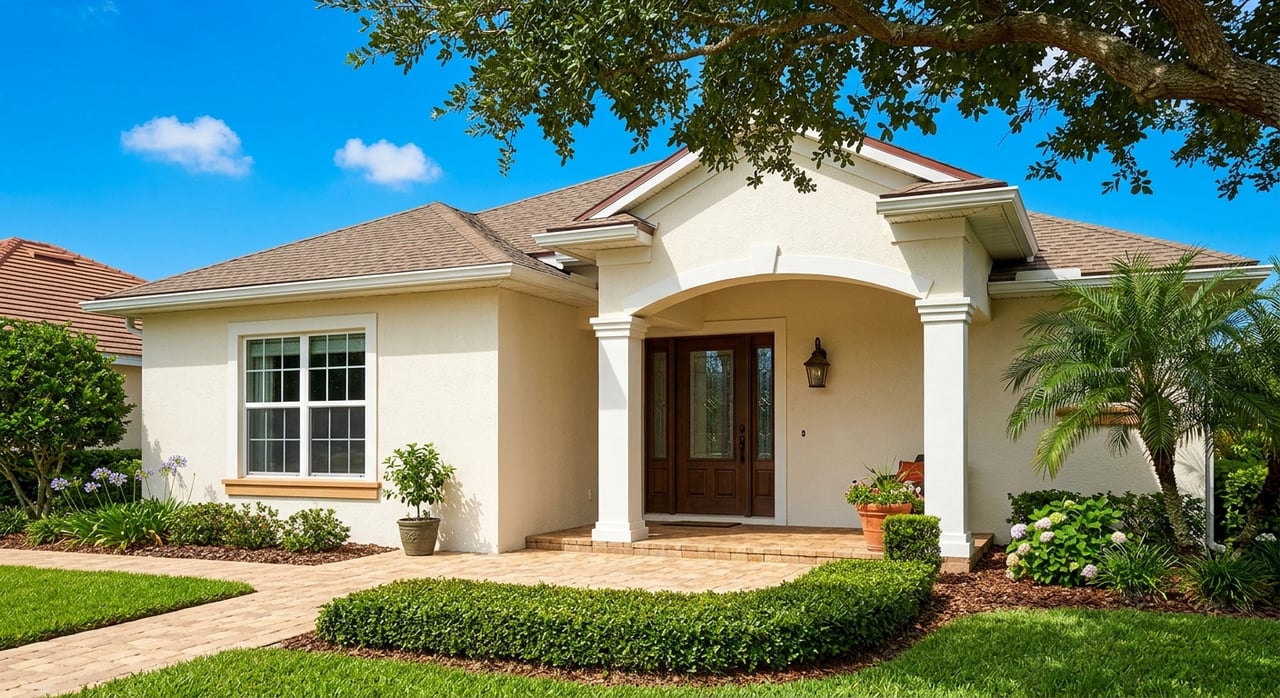
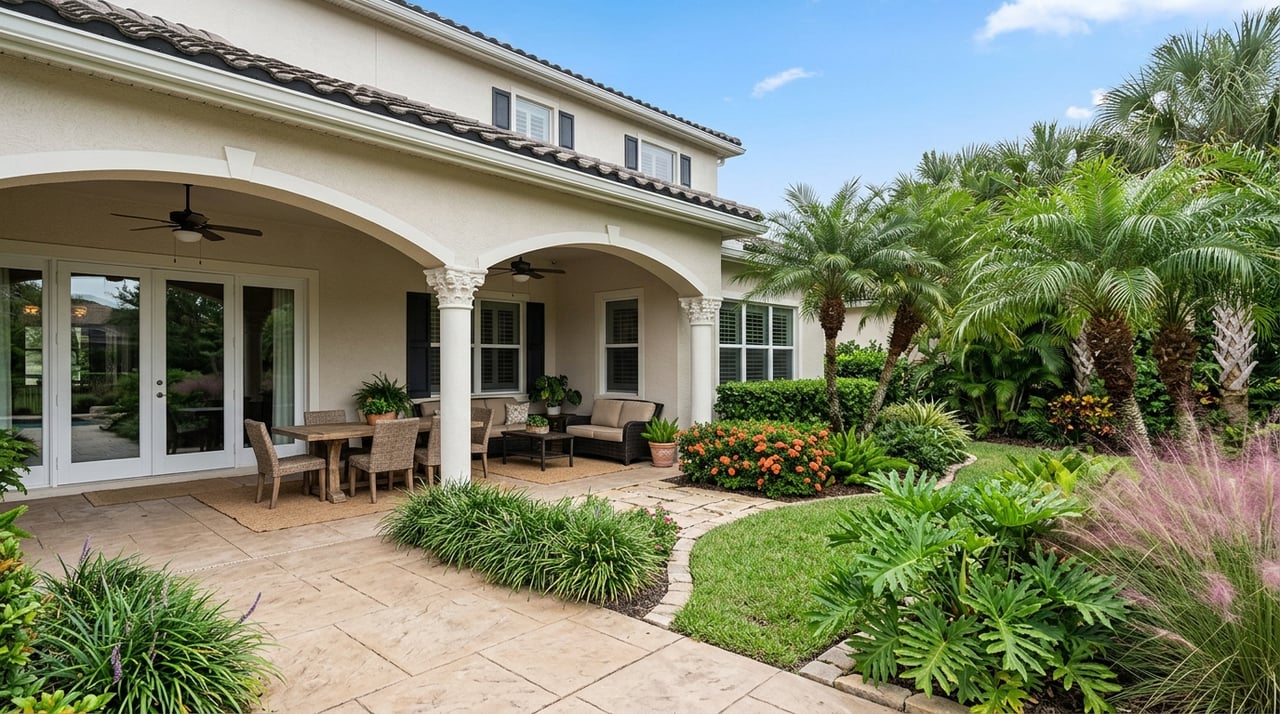
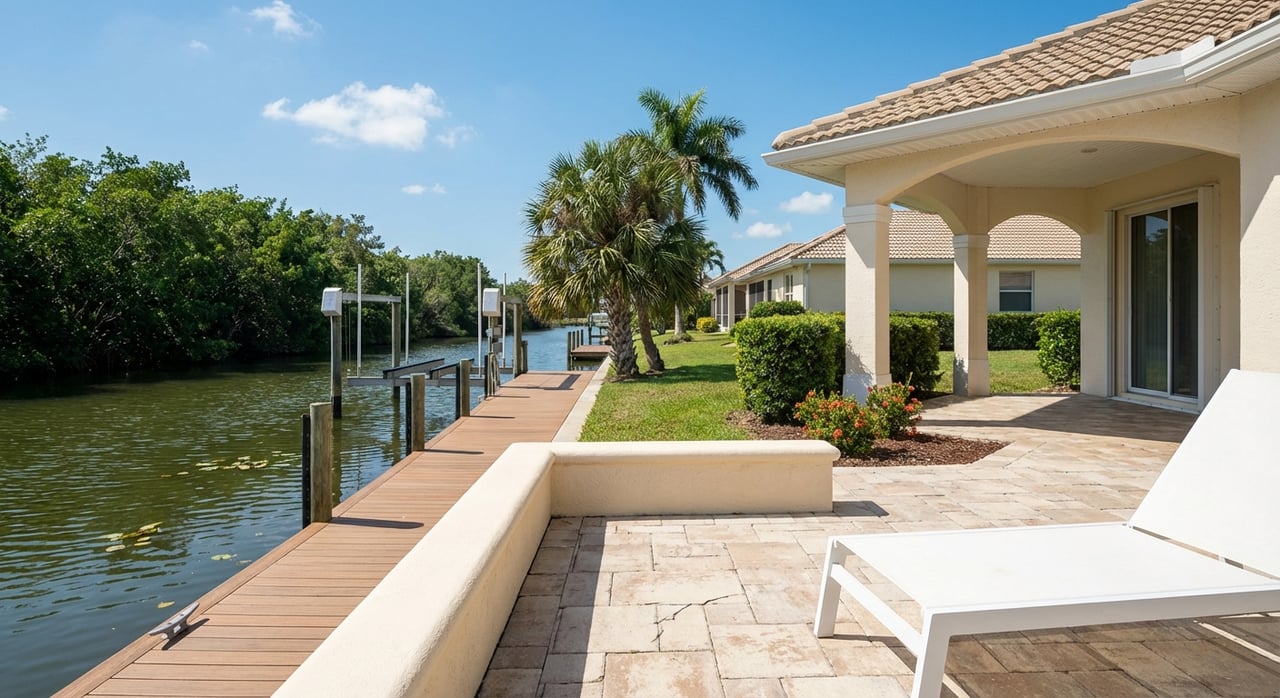
On the canals, you will see a mix of older cottages and ranch homes alongside elevated or stilted construction. Many canalfront properties include private docks or boat lifts. In Weeki Wachee, riverfront homes often have smaller private launches or rely on nearby public ramps. Some Hernando Beach neighborhoods, such as deed‑restricted sections, are governed by property owners associations. Request any HOA or POA documents early so you understand exterior rules and waterfront improvement standards before you buy.
Lifestyle and seasonality
Daily life centers on the water. You will find locals fishing the flats in the morning, anchoring at sandbars on weekends, and enjoying small seafood spots with a working shrimping presence nearby. Weeki Wachee adds year‑round paddling and seasonal park draws. If you plan to harvest on the water, Florida Fish and Wildlife sets calendars and zones for activities like scalloping. Check current dates and regulations through FWC’s scallop season bulletins before you head out.
Real costs and risks to budget for
Marine work: seawalls, docks, and dredging
Canalfront ownership typically comes with recurring marine maintenance. Seawalls and docks age in salt and brackish environments, and some canals require periodic dredging. Costs vary widely by site, material, and linear footage. As a planning baseline, marine contractors report residential seawall work often starting in the low hundreds per linear foot and rising with complexity. For a helpful range and the variables that drive cost, review this overview of seawall costs.
Dredging responsibility can differ from canal to canal. Some waterways are publicly maintained while others are private, with cost sharing spelled out in deeds, recorded covenants, or maintenance agreements. Ask for the history of any dredging, permit documents, and whether assessments are pending.
Flood zones, storm surge, and insurance
Many waterfront parcels fall within FEMA Special Flood Hazard Areas. That can mean flood insurance requirements on loans, plus design and elevation considerations. Hernando County maintains local guidance and works with FEMA mapping. Start by reviewing the county’s floodplain information and then verify the specific panel, base flood elevation, and any elevation certificates for the parcel you are considering.
Insurance in Florida often separates homeowners, windstorm, and flood coverage. Premiums can vary a lot by flood zone, elevation, and building features, so it is smart to request quotes early in your contract period. For background on how federal flood insurance works, see this overview of the National Flood Insurance Program.
Environmental protections and on‑water rules
The Nature Coast protects manatees, seagrass, and water quality. That means you will see idle‑speed zones, manatee protection areas, and rules that discourage cutting across seagrass beds. Local summaries of navigation, tides, bridges, and no‑wake areas are available in these boating regulations. Gulf red tide is also a periodic reality that can affect shellfish harvests and enjoyment onshore. Track conditions before making plans and be ready to pivot during any advisory.
How waterfront compares to inland options
Waterfront life trades extra maintenance and coastal risk for direct access to the water and a boat‑first lifestyle. Inland Hernando County communities, such as areas around Spring Hill and Brooksville, tend to be more affordable on a per‑square‑foot basis and carry less direct storm surge exposure. But they do not deliver door‑to‑Gulf boating. As a Sugarmill Woods buyer, you can enjoy the best of both by keeping your day‑to‑day base in a quiet, planned neighborhood and using the nearby waterfront for frequent recreation.
A quick buyer due‑diligence checklist
- Flood zone and elevation. Confirm the FEMA flood zone, panel date, and whether an elevation certificate or Letter of Map Amendment exists. Get flood insurance quotes up front using the county’s floodplain info.
- Waterfront structures. Order a marine inspection of docks, lifts, pilings, and seawalls. Ask about the last repairs and any signs of undermining.
- Dredging and maintenance. Request recorded documents that govern canal maintenance, seawall responsibilities, and who pays for dredging. Review any HOA or POA covenants early.
- Permits and agencies. Collect permits for any in‑water work and confirm with Hernando County, the Florida Department of Environmental Protection, and the U.S. Army Corps of Engineers whether additional approvals are needed. For a primer on the process, see this guide to environmental permits.
- Boat fit and depth. Verify canal or river approach depths at low tide for your vessel, bridge clearances, and any size or draft limits for your intended route.
- Wastewater. Confirm sewer versus septic and obtain recent septic inspection records if applicable.
- Recreation rules. If you plan to harvest or fish, review FWC’s scallop season bulletins and local postings before you go.
Getting started from Sugarmill Woods
Begin with your lifestyle goals. If you want daily boating from your backyard, focus on canal depth, dock condition, and flood zone. If you prefer river paddles and nature watching, look closely at Weeki Wachee access and the specific rules near the springs. Either way, line up insurance quotes and a marine inspection early, and build a realistic budget for seawall or dock work over time.
When you are ready to explore listings or compare neighborhoods, connect with a local advisor who understands county permitting, floodplain rules, and the rhythm of the waterfront. If you want that kind of calm, informed guidance, reach out to Elizabeth Narverud. Let’s connect for a free home valuation and market consultation so you can move forward with confidence.
FAQs
How far is Sugarmill Woods from Hernando Beach and Weeki Wachee?
- Plan on roughly 15 to 25 miles depending on your exact location in Sugarmill Woods, with Weeki Wachee about 19 miles by road and Hernando Beach in a similar range.
What types of boats work best for Hernando Beach canals?
- Shallow‑draft boats are common due to tides and shoaling, and all canals observe no‑wake rules; verify approach depths and bridge clearances for your specific vessel.
Do I need flood insurance for waterfront homes in Hernando Beach and Weeki Wachee?
- Many waterfront lots fall in FEMA Special Flood Hazard Areas that can trigger flood insurance on loans; confirm the parcel’s zone and obtain quotes early in your purchase process.
Where can I launch on the Weeki Wachee River if I do not live on the water?
- Most people use Rogers Park or local marinas downstream of the state park; the park’s paddling guidance outlines routes, access points, and rules for the protected reaches.
What permits do I need to add or repair a dock on a canal lot?
- Expect to coordinate with Hernando County, the Florida Department of Environmental Protection, and the U.S. Army Corps of Engineers; simple projects can be exempt in limited cases, so confirm requirements before you begin.