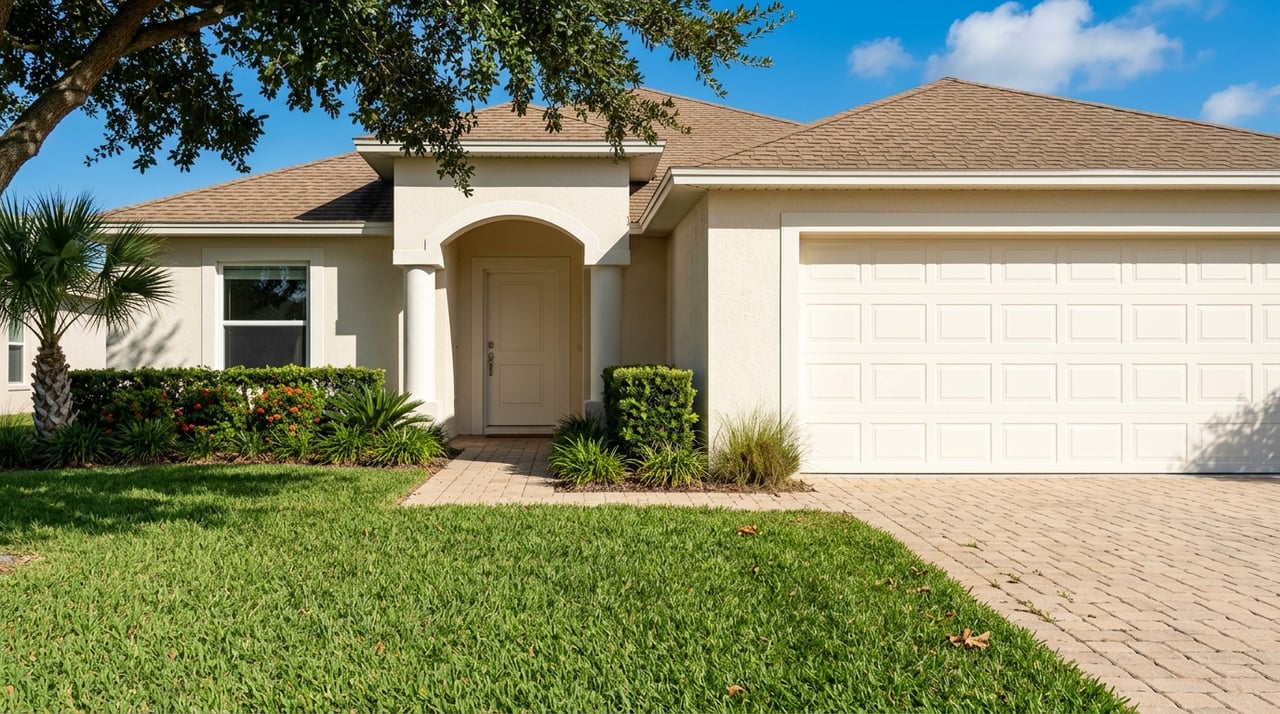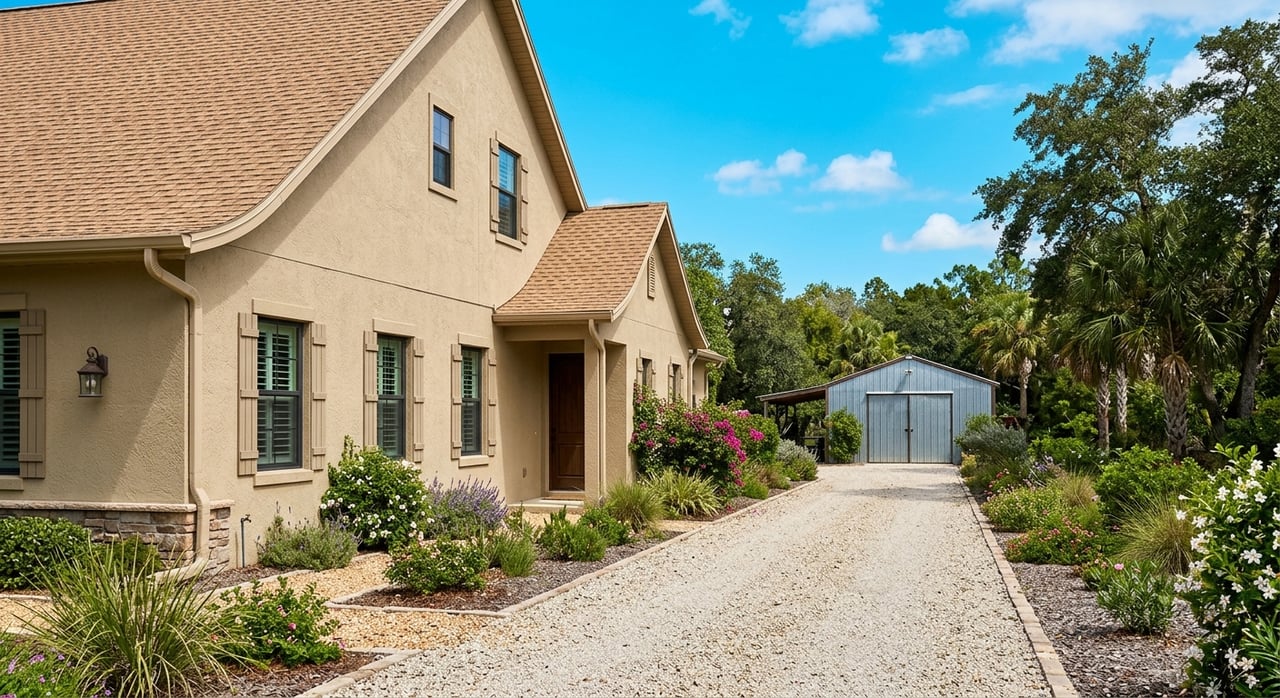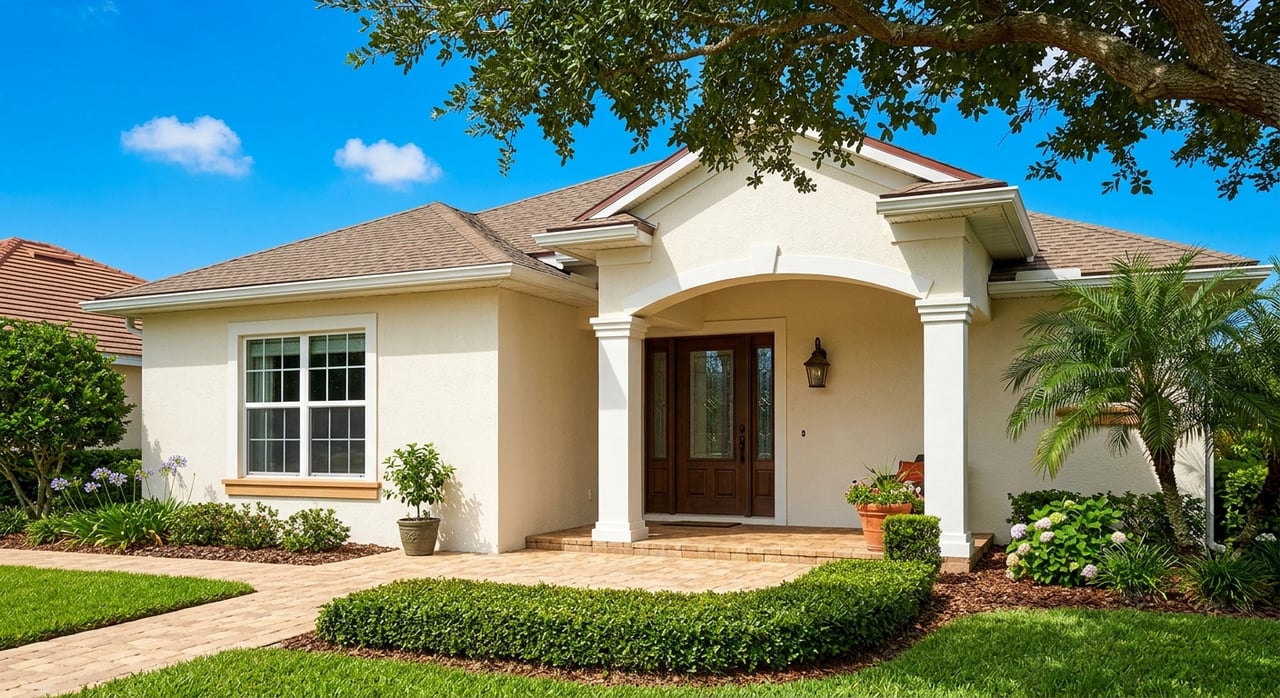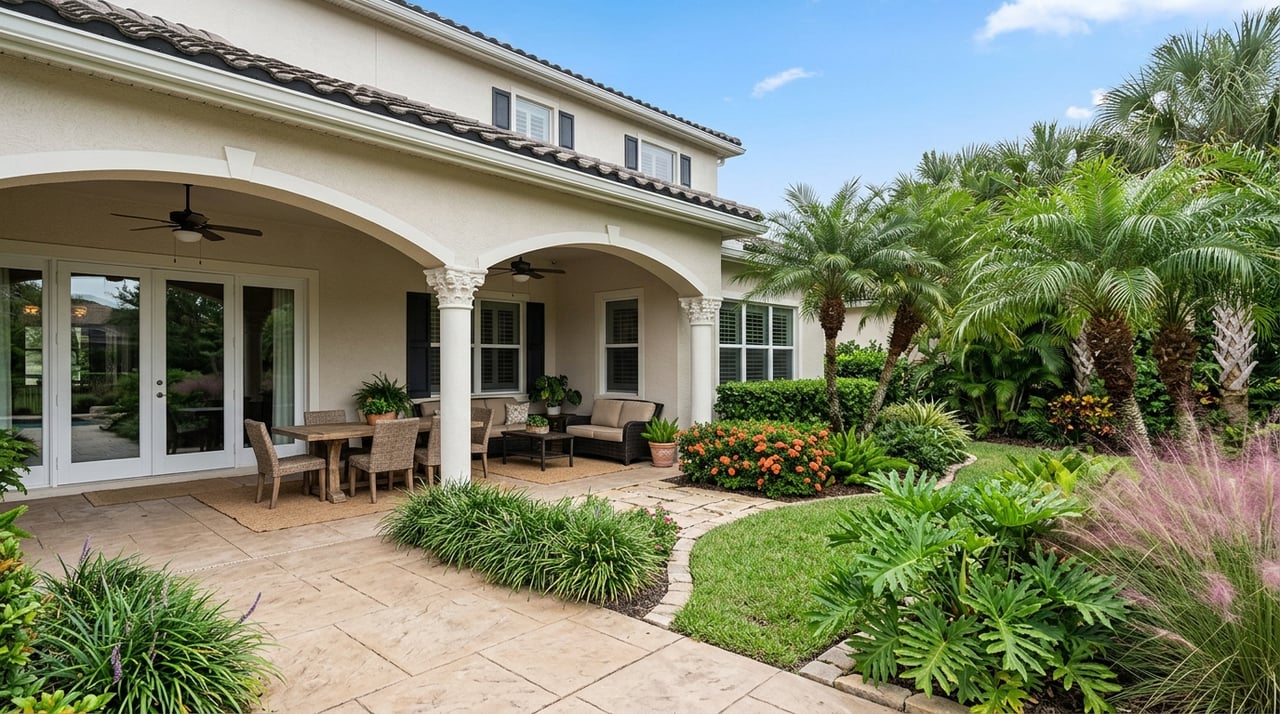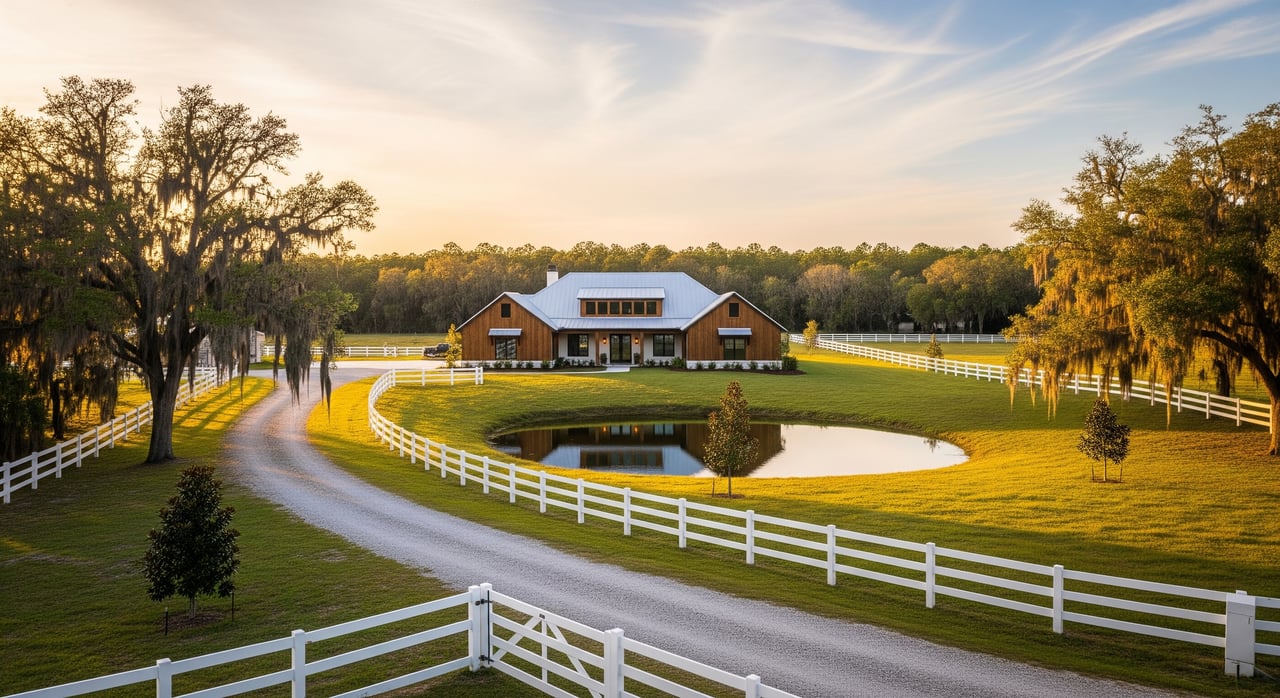
Picture your own corner of Florida’s Nature Coast where you can spread out, start a hobby farm, or finally build that workshop. If you are eyeing 1 to 20 acres around Brooksville, you want elbow room without feeling off the grid. You also want to avoid surprises with access, utilities, zoning, and site conditions that can add time and cost.
This guide gives you clear steps for buying small acreage around Brooksville. You will learn what to check before you write an offer, how financing for land works, what development costs to expect, and where to verify details with county and state resources. Let’s dive in.
Why Brooksville small acreage works
Brooksville sits in Hernando County on Florida’s Nature Coast, within a reasonable drive of Tampa’s jobs and amenities, often 45 to 75 minutes depending on destination and traffic. The area’s rolling hills and limestone geology make it feel different from much of coastal Florida. Nearby public lands, including Withlacoochee State Forest and local parks, add appeal if you enjoy trails, equestrian uses, or low-key outdoor recreation.
Small-acreage parcels attract buyers who want privacy, space for animals or gardens, and room to store boats or RVs. Per-acre prices can look attractive compared with subdivision lots. Still, raw acreage usually comes with higher development costs for access, utilities, and site work. For current local pricing and recent sales, review Hernando County MLS data and the county property appraiser’s recent sales reports.
Know your access and roads
Access is a make-or-break item for land value and financing. Confirm how you reach the parcel and who maintains that road.
- Public road access. Parcels on county-maintained roads tend to be easier to finance and insure.
- Private road or easement access. If a parcel is reached by a private road or a recorded easement, ask for the maintenance agreement and verify it is recorded.
- Unrecorded access. A dirt track without a recorded easement can complicate financing and resale. Get a title professional to confirm legal access before you go under contract.
County standards for driveways and culverts apply when you create a new entrance. Questions about road acceptance to the county system are handled by Hernando County Public Works.
Utilities and services checklist
In rural parts of Hernando County, utility availability varies by parcel. Budget time to confirm details with providers.
- Water. Many small-acreage lots use private wells. Some areas are served by Hernando County Utilities. You will likely need a well permit if drilling a new well.
- Sewer. Most parcels outside town centers rely on septic systems. Confirm that a septic system is feasible for your soils and layout.
- Electric and telecom. Electric service is available from a mix of investor-owned utilities and cooperatives. Internet options can range from fiber to DSL to cellular hotspots, depending on location. Ask providers for written estimates and timelines for installation.
Zoning and permitted uses
Your allowed uses depend on the parcel’s zoning and the county’s Future Land Use Map. Setbacks, minimum lot size, accessory structures, and activities like equestrian boarding or roadside farm stands are governed by county code. Some nonresidential or agricultural-related uses require a special or conditional use permit.
Start by confirming the parcel’s zoning and future land use designation with Hernando County Planning & Zoning resources. If you plan to split acreage or add a second dwelling, verify minimum lot sizes and subdivision standards before you buy.
Soils, sinkholes, and site conditions
Soils drive septic design, drainage, and clearing costs. Review the USDA NRCS Web Soil Survey to understand the dominant soil types, then follow up with site-specific tests. In Hernando County’s karst terrain, underlying limestone can create sinkholes or uneven soil depths. If you see depressions or suspect past sinkhole activity, consider a geotechnical or sinkhole assessment before you waive contingencies.
Grades are usually gentle, but a steep or densely wooded site can add clearing and erosion-control costs. Buildability is a mix of soils, slopes, and environmental factors, so plan for a professional site evaluation early.
Flooding, wetlands, and environmental rules
Check the parcel’s flood-zone status on the FEMA Flood Insurance Rate Maps. If any portion falls in a higher-risk zone, you may need to elevate structures and carry flood insurance.
Wetlands and surface waters are regulated by state and regional agencies. The Southwest Florida Water Management District and the Florida Department of Environmental Protection oversee jurisdictional wetlands and permitting. Wetland delineation or mitigation can add time and cost, so schedule these reviews during your inspection period if you see standing water, hydric vegetation, or mapped wetlands.
Taxes and ongoing costs
Hernando County calculates property taxes based on assessed value and millage rates. Some owners can qualify for agricultural classification, often called Greenbelt or agricultural use, which can lower taxes when there is documented bona fide agricultural activity. Program rules and proof of use apply. Also check for special assessments, private road fees, and potential utility capacity charges.
Covenants and deed restrictions
Platted acreage in equestrian or rural subdivisions may include covenants, architectural controls, or limits on animal types and accessory buildings. Raw tracts sometimes carry conservation easements or other title encumbrances. Ask for recorded documents and review them with your title company before you commit.
Permitting and realistic timelines
Most small-acreage buyers need permits for building, septic, and wells. Simple residential permits can take weeks. Projects that involve variances, wetland impacts, or complex site work can take months. For septic, see the Florida Department of Health onsite sewage program. Water use and well matters can involve SWFWMD and the Florida DEP. Hernando County’s Building and Permitting pages provide local process details and required inspections.
Financing and true development costs
Financing raw land differs from a standard home mortgage. Lenders often require higher down payments and shorter terms. Your main options include:
- Raw land loans through local banks or credit unions. Expect down payments of roughly 20 to 50 percent and terms between 5 and 15 years, often at higher rates than home loans.
- Construction-to-permanent loans if you plan to build soon after purchase.
- Owner financing, which may offer flexible terms depending on the seller.
- USDA Rural Development programs for eligible home construction or purchase in rural areas. These programs are generally not for raw land alone.
- Home equity or cash-out refinance on another property when available.
Lenders typically verify legal access, flood status, environmental risks, and basic buildability. Plan for the following development expenses beyond the purchase price:
- Survey and corner staking
- Title insurance and curing title defects
- Driveway and culvert installation
- Utility extensions or off-grid systems for well, septic, and power
- Tree clearing and grading
- Percolation tests, septic design, and system installation
- Environmental studies or wetland delineation and mitigation if needed
- Permit and impact fees
- Erosion and stormwater controls
Per-acre pricing can mislead. A build-ready lot in a subdivision often costs more per acre but needs far less upfront work than raw acreage.
How to value a parcel
Compare recent sales of similar acreage with the same general size, access type, and utility status. Adjust for proximity to Brooksville services, paved road frontage, power at the lot line, soil and septic suitability, topography, and any water or river frontage. Consider highest and best use. A hobby farm, a single-family residence, potential for a future split, or conservation all yield different values.
Due diligence: 10-step action plan
Work through this checklist before you write an offer or during your inspection period:
- Confirm legal access and whether the road is public or private. Ask for the recorded easement or maintenance agreement if private.
- Call utility providers to verify water, sewer, power, and internet options. Request hookup cost estimates in writing.
- Check zoning and the Future Land Use designation with Hernando County Planning & Zoning resources. Confirm your intended use is permitted.
- Order or verify a recent boundary survey. Confirm the legal description and building setbacks.
- Obtain a preliminary title report and review all easements, covenants, and liens.
- Schedule soil and septic feasibility testing and request a septic system estimate.
- Confirm well feasibility with a licensed driller and review any water-use considerations with SWFWMD.
- Check flood status on FEMA flood maps and order a wetland delineation if indicators are present.
- If the site shows karst indicators or depressions, order a geotechnical or sinkhole assessment.
- Build a full budget for clearing, driveway, utilities, septic, well, permits, and contingencies. Use contract contingencies for access, septic and well feasibility, and environmental clearance.
How a local land agent helps
An agent with land experience can shorten your learning curve and reduce risk. A knowledgeable local pro can interpret zoning and land-use rules, request realistic utility quotes, coordinate surveyors and environmental consultants, and structure contingencies that protect your deposit. They can also connect you with lenders who fund land and help you weigh property tax impacts, including agricultural classification.
If you value practical guidance backed by civic insight and local relationships, you will appreciate working with a Brooksville-based advisor who knows county processes and land-specific pitfalls. Ready to explore small acreage around Brooksville with a clear plan? Connect with Elizabeth Narverud for a consultative walk-through of parcels that fit your goals.
FAQs
What should I check first when buying 1 to 20 acres near Brooksville?
- Start with legal access, utility availability, and zoning. Then confirm soils, flood maps, and any wetlands before you make an offer.
How do I find out if a Brooksville parcel is in a flood zone?
- Search the address on the FEMA Flood Insurance Rate Maps and review building elevation and insurance requirements if in a higher-risk zone.
Can I install a septic system on a small-acreage parcel in Hernando County?
- Usually, if soils and setbacks allow. You will need site-specific soil and percolation testing and permits through the Florida Department of Health onsite sewage program.
Will a lender finance raw land around Brooksville?
- Many local banks and credit unions offer land loans with higher down payments and shorter terms than home mortgages. Consider construction-to-perm or owner financing as alternatives.
How long does permitting take for a rural homesite in Hernando County?
- Straightforward residential permits can take weeks. Projects involving variances, wetlands, or complex site work can take months, so build time into your plan.
Can I split my acreage later to create another homesite?
- It depends on zoning, minimum lot sizes, and county subdivision rules. Verify the standards with Hernando County Planning & Zoning before you buy.