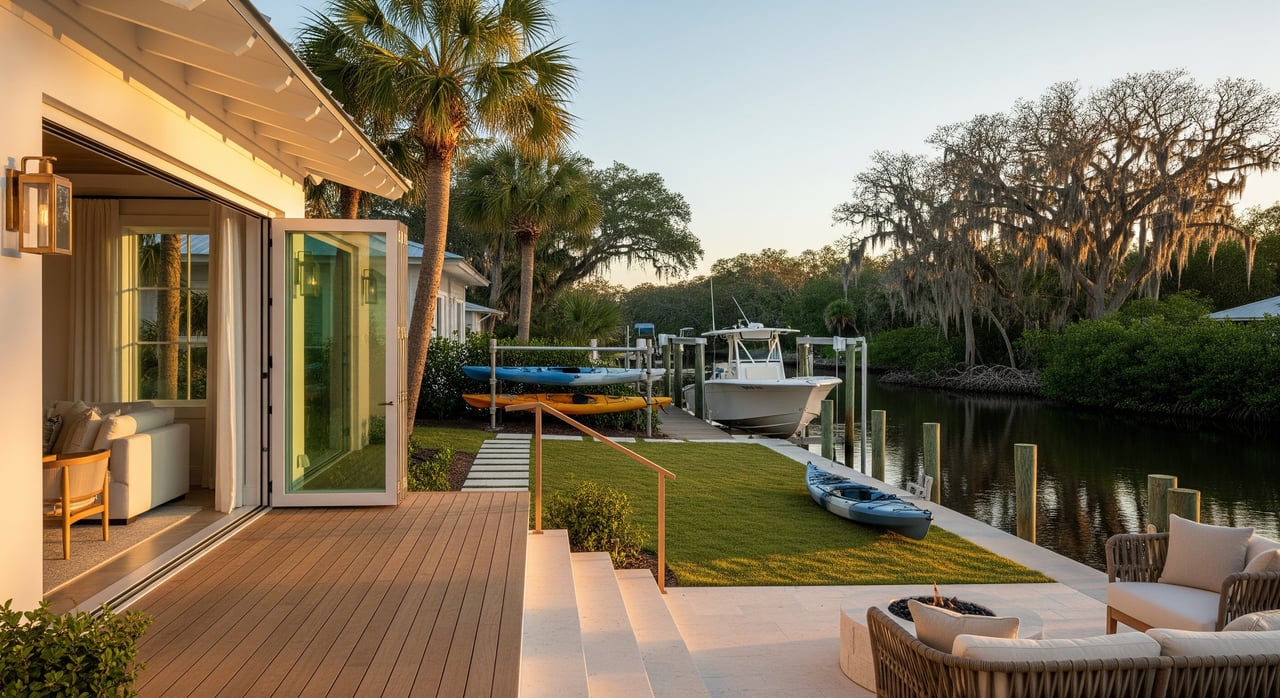
Thinking about turning a Homosassa home into a short-term rental? The appeal is real: manatees at the springs, easy river access, and a laid-back Nature Coast vibe bring steady visitors year-round. If you are weighing an STR, you want clear answers on rules, demand, and the numbers. This guide gives you a practical roadmap to verify regulations, understand seasonality, and plan your budget so you can move forward with confidence. Let’s dive in.
Know the Citrus County rules first
Before you buy or list a property as a short-term rental in Homosassa, verify the rules that apply to your specific address. Homosassa sits in unincorporated Citrus County, so county ordinances and zoning rules are your starting point. If the home is in an HOA or deed-restricted community, those private covenants may prohibit or limit STRs even when the county allows them.
Zoning, permits, and operations
Check with Citrus County Planning and Development and Code Enforcement for:
- Zoning allowances for short-term or transient rentals in the property’s district.
- Any local business tax receipt, STR registration, or permit requirements.
- Occupancy, life-safety, and building-code standards, including smoke and carbon monoxide detectors, fire extinguishers, and proper egress.
- Noise, parking, and nuisance rules that could affect guest use and vehicle limits.
- Minimum stay or frequency rules, if the county limits the number of short-term rental days per year.
- Signage and advertising restrictions.
Health, septic, and utilities
Many Homosassa homes use septic. County environmental health officials can tie allowable occupancy to septic capacity. Confirm system size, maintenance history, and any limits on guest count. If the property is on a municipal sewer, different standards may apply.
Taxes and registration
Florida requires you to collect and remit state sales tax on transient rentals, plus any applicable local surtaxes. Many Florida counties also levy a tourist development or bed tax. Register with the Florida Department of Revenue and confirm any county-level registration or tax certificate with the Citrus County Tax Collector. Some booking platforms remit certain taxes in some jurisdictions, but you should verify responsibility and keep your own records.
Insurance and legal exposure
Standard homeowners insurance often excludes short-term rental activity. Ask your insurer about an STR endorsement or a dedicated policy that addresses liability, wind and hurricane coverage, and any inspection requirements. Short-term rentals follow different rules than long-term leases, so confirm how transient lodging laws apply to your setup.
Who to contact
For the most current guidance, contact:
- Citrus County Planning and Development and Code Enforcement
- Citrus County Tax Collector and county revenue/tourism tax office
- Citrus County Environmental Health or Public Health Department
- Florida Department of Revenue and Florida Department of Health
- Your HOA or neighborhood association if applicable
- A local attorney, CPA, and insurance agent with STR experience
Understand Homosassa demand and seasonality
Homosassa draws visitors for wildlife, water, and a slower pace. That mix supports a range of short-term stays, from weekend trips to winter visits.
What drives bookings
- Outdoor and wildlife tourism centered on Homosassa Springs and the manatee viewing season
- Access to the river and Gulf for boating, fishing, and diving
- Seasonal visitors, including snowbirds, who increase demand in fall through spring
- Weekend and holiday getaways from the Tampa Bay and Orlando areas
When demand peaks
Expect clear seasonal swings. Winter and holiday periods often bring higher occupancy and rates. Spring and fall can be steady with shoulder-season trips. Summer can perform well for family travel and water recreation, though storms and hurricane season can affect demand. Weekends and major holidays typically command stronger pricing.
Typical guest profiles
- Nature and wildlife enthusiasts
- Anglers and boaters
- Families seeking a waterfront or cottage experience
- Short-stay weekenders from nearby metro areas
- Occasional contractors or temporary visitors
Features that boost revenue
In this market, certain amenities can lift both occupancy and nightly rates. Consider how your property stacks up on:
- Waterfront access, a private dock, or proximity to the river or springs
- Ample parking and practical policies, such as pet-friendly or family-friendly rules
- Modern kitchen, reliable AC, and strong internet for remote workers
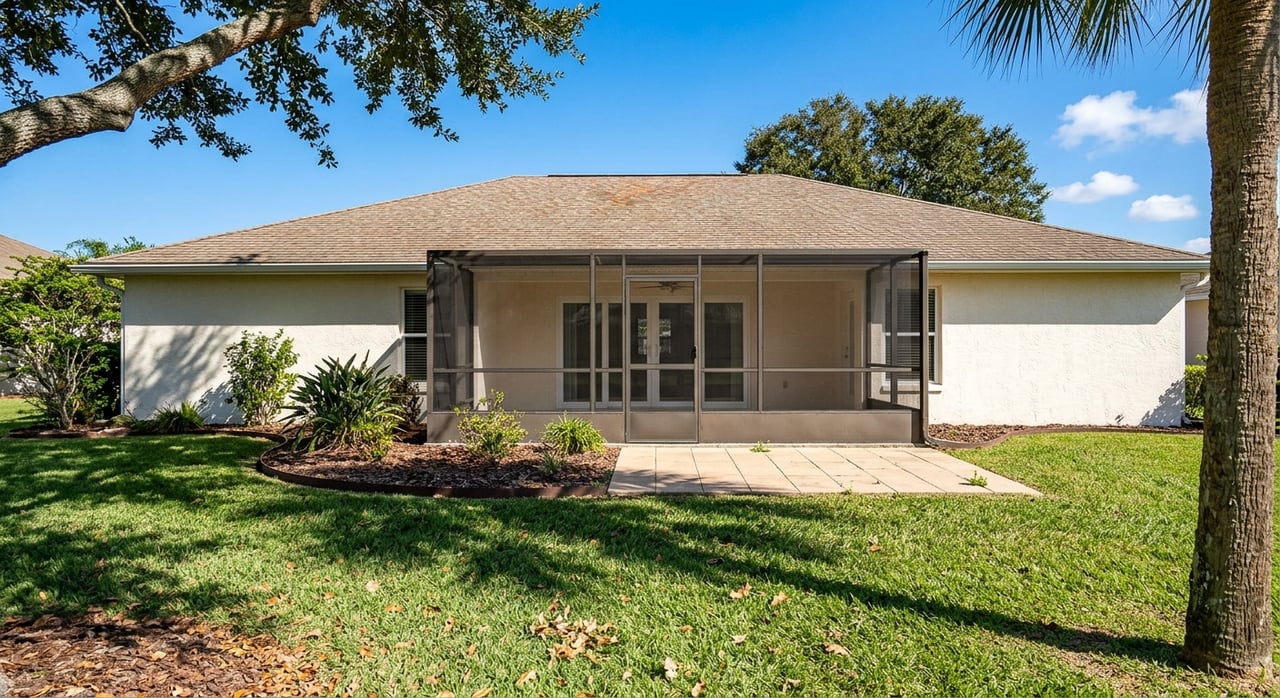
- Outdoor living spaces like patios, screened porches, and grills
- Hurricane preparedness and clear safety instructions
- Professional photography and detailed house rules that support solid reviews
Choose the right property
The best STR fit depends on your goals, budget, and risk tolerance.
Waterfront versus inland
Waterfront locations can command higher rates and draw boaters, but they often come with stricter permitting for docks or seawalls, higher insurance costs, and flood or hurricane exposure. Inland homes can still perform well when they are clean, comfortable, and close enough to the water and attractions.
Septic, access, and parking
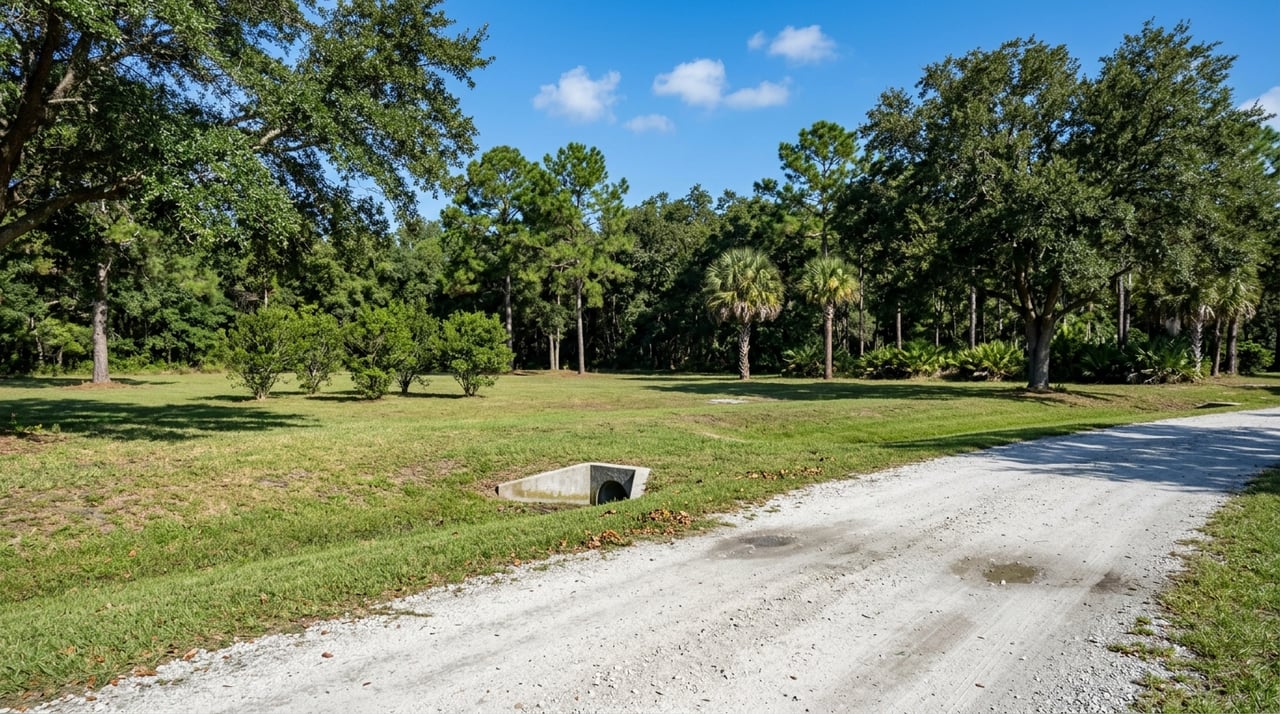
If the home is on septic, right-size your intended guest capacity to the system. Evaluate access and parking. Narrow roads or limited spaces can create friction for guests and neighbors.
Run the numbers with care
Short-term rentals can produce solid income, but you should model conservatively. Start with projected nightly rates and realistic seasonal occupancy based on comparable listings in Homosassa and nearby areas. Then layer in the full cost picture.
Key revenue and expense drivers
- Revenue: nightly rate times occupancy, influenced by season, amenities, and guest reviews
- Fixed costs: mortgage, property taxes, insurance, flood or wind policies, HOA dues if applicable
- Operating costs: utilities, internet, cleaning, supplies, routine maintenance, lawn or pool care
- Management: platform fees and either your time for self-management or a professional manager (commonly 20 to 35 percent of rental revenue for full service)
- Reserves: set aside 5 to 10 percent of revenue for repairs and replacements
Taxes and accounting
Register for required state and local taxes, collect and remit on time, and keep detailed records of bookings, expenses, and filings. Discuss federal and state income tax treatment with a CPA, since short-term rentals can be taxed differently depending on your level of participation and rental days.
Plan for smooth operations
How you manage the property affects guest reviews, neighbor relations, and your bottom line.
Self-manage or hire a manager
Self-management can save fees but demands time for guest communication, vendor coordination, and problem solving. Local property managers handle bookings, cleaning, and maintenance for a fee. Ask about services, reporting, and response times before you choose.
Cleaning and turnovers
Reliable cleaners are essential, especially during peak seasons and back-to-back reservations. Build a checklist for linens, supplies, and inspections so each turnover is consistent.
Neighbor relations and community impact
Clear house rules about parking, quiet hours, and guest numbers help reduce complaints. Provide a local contact who can respond quickly to issues. Screen for party risks and set booking policies that protect your home and neighborhood.
Safety and storm readiness
Install and test smoke and carbon monoxide alarms and keep fire extinguishers visible. Post simple water-safety guidance for docks or boats. Create a hurricane plan with instructions for shutters, evacuation, and communication.
Buyer checklist for Homosassa STRs
If you are shopping for a property you want to rent short-term, complete these steps before you make an offer:
- Confirm zoning, occupancy, and any STR registration with Citrus County Planning and Development.
- Ask the seller for existing STR permits or registrations, tax filings, and rental performance history.
- Obtain HOA covenants and written guidance on rental restrictions if the home is in a community.
- Verify septic capacity and permitted occupancy with county health officials.
- Get insurance quotes for STR coverage, including flood and wind.
- Assess access, parking, and neighborhood fit for short-term guests.
- Confirm state and county tax registration requirements.
Seller checklist if you already operate an STR
Organize your files so buyers can move forward with confidence:
- Compile platform performance reports, bank deposits, permits, licenses, and tax remittance records.
- Disclose any formal complaints, citations, or enforcement actions.
- Clarify what conveys with the sale: furnishings, linens, house manuals, and any active bookings.
- Review any property management or platform agreements for transfer terms.
Market and listing tips for STR-friendly homes
Highlight features that matter to Homosassa guests and investors:
- Waterfront, dock access, and proximity to Homosassa Springs
- Outdoor living spaces, gear storage, and parking
- Reliable internet, modern systems, and family-friendly amenities
- Clear disclosure of known restrictions or permit status where required
- A tidy folder with permits, tax records, manuals, and local service contacts for buyer due diligence
Local contacts to confirm details
Have this reference list ready when you start your process:
- Citrus County Planning and Development and Code Enforcement
- Citrus County Tax Collector and county tourism tax office
- Florida Department of Revenue for sales and transient rental taxes
- Citrus County Environmental Health or Public Health Department
- Your HOA or neighborhood association
- Insurance agents, a local attorney, and a CPA with STR experience
Ready to explore Homosassa STR opportunities?
If you are weighing a short-term rental in Homosassa, a clear plan makes all the difference. Verify the rules, build a conservative budget, and choose a property that fits the guest demand you want to serve. If you would like local guidance on zoning, waterfront considerations, and the pros and cons of specific neighborhoods, reach out to an advisor who knows the Nature Coast. Connect with Elizabeth Narverud for a friendly, informed conversation about your options.
FAQs
Do I need a permit to run a short-term rental in Homosassa?
- Check with Citrus County Planning and Development and the Tax Collector to verify zoning allowances, any STR registration, and local business tax requirements for your specific address.
Will my HOA allow short-term rentals in Citrus County?
- Possibly, but many HOAs restrict or prohibit STRs; obtain the recorded covenants and request written guidance from the HOA or its counsel before you buy.
What taxes apply to Homosassa vacation rentals?
- Expect to collect Florida state sales tax and any local tourist or occupancy taxes; register with the Florida Department of Revenue and confirm county requirements with Citrus County.
Is my homeowner policy valid for short-term rental use?
- Often not; notify your insurer and secure an STR-specific policy or endorsement that addresses liability, flood, wind, and any inspection or safety requirements.
How much can a Homosassa STR earn annually?
- Earnings vary by location, amenities, and seasonality; benchmark against similar active listings for rates and occupancy, and run conservative scenarios to estimate net income.
Are there septic limits that affect guest occupancy?
- Yes; many Homosassa homes use septic systems and allowable occupancy may be tied to septic capacity; verify with Citrus County Environmental Health before setting guest limits.