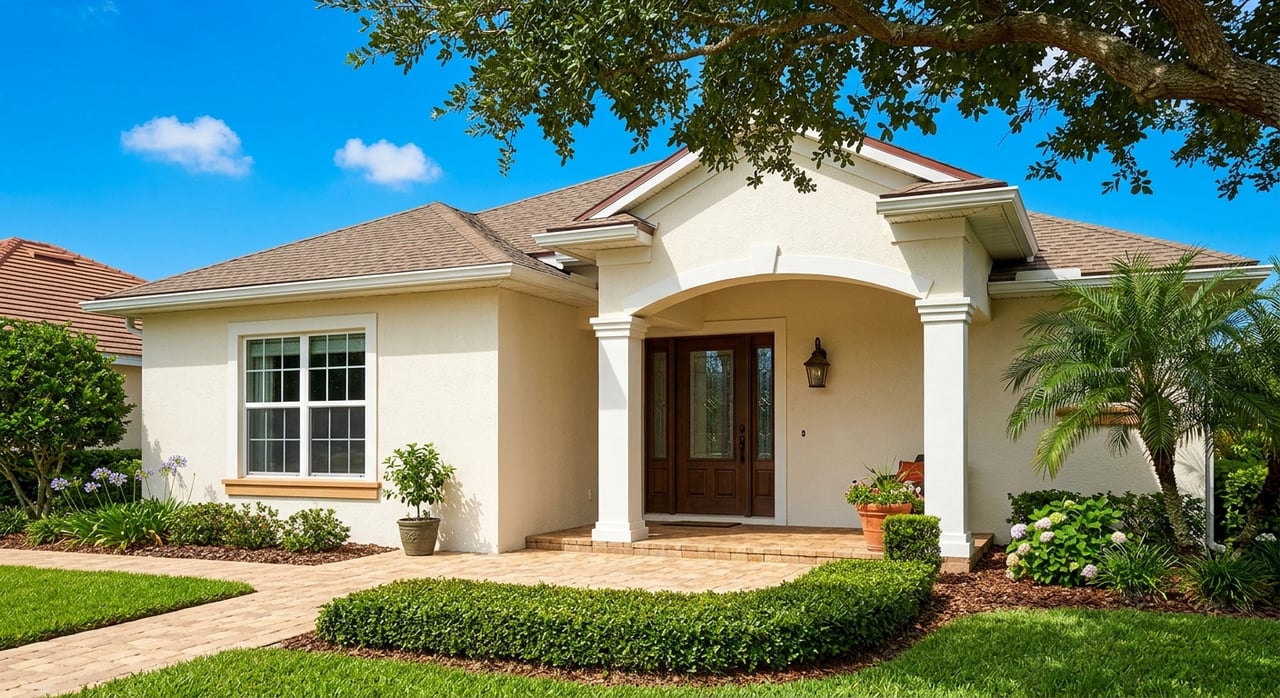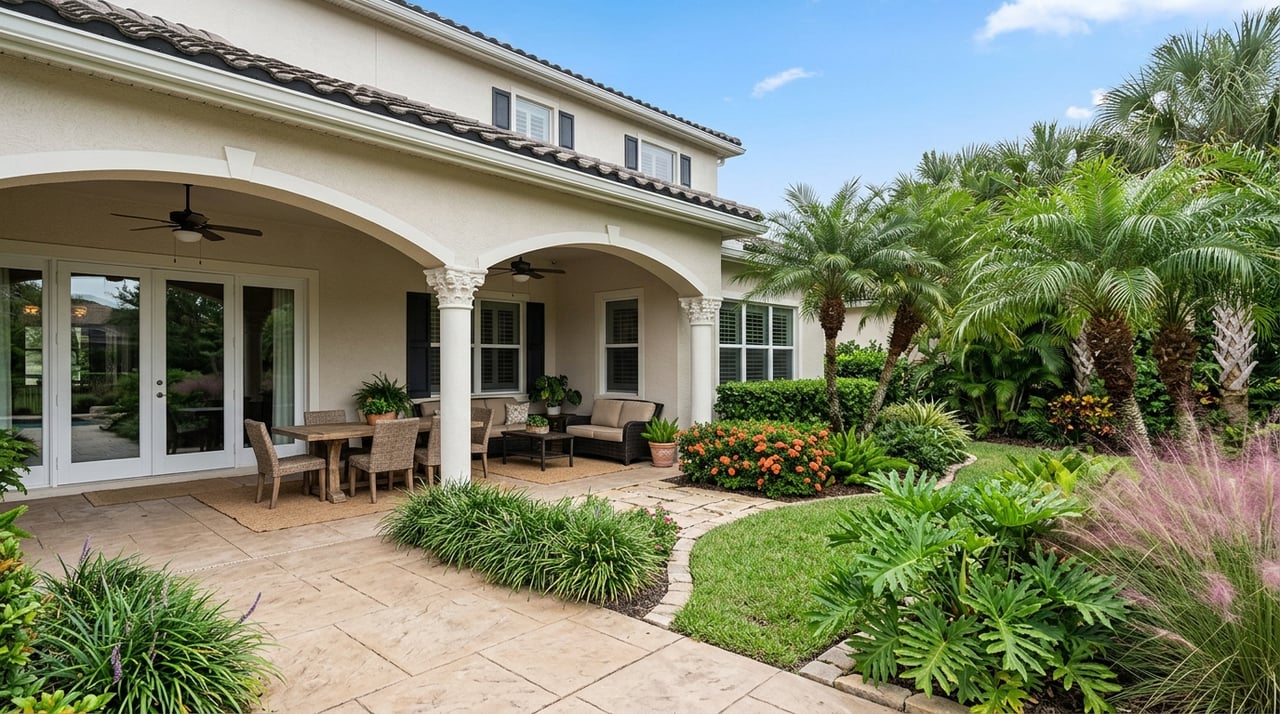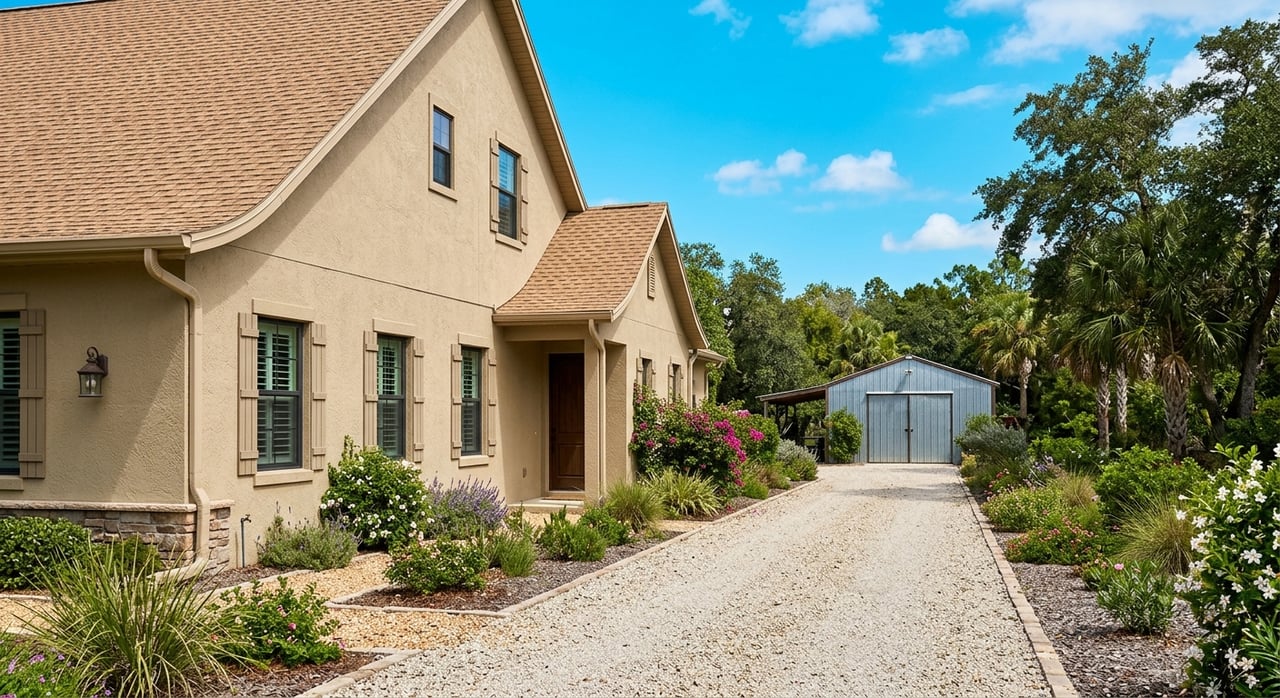
Dreaming about a little more room in Odessa? Small acreage can open up possibilities that a standard lot simply cannot, but it can also come with very different rules from one parcel to the next. Before you buy, it helps to understand how zoning, utilities, access, septic, flood considerations, and taxes can shape what you can actually do with the land. Let’s dive in.
Small acreage means different things
In Odessa, “small acreage” is not one fixed property type. Pasco County parcel records show examples ranging from about 0.16 acres and 0.26 acres to 1.84 acres and 2.5 acres. That means your search could include anything from a lot that feels more residential to a property that offers a more open, estate-style setup.
This matters because two listings can both mention acreage but offer very different options. A parcel that looks generous online may not function the same way as another property with a similar price or shape. When you compare acreage in Odessa, you want to look beyond size and focus on what the parcel allows.
Zoning shapes your options
One of the biggest things to check before buying small acreage in Odessa is zoning. Pasco County zoning districts vary quite a bit in minimum lot size. For example, selected districts show minimums such as 10 acres in A-C, 1 acre in A-R, 1 acre in AR-1, 2.5 acres in ER-2, and 20,000 square feet in R-1.
Those numbers are important, but the district purpose matters too. Pasco describes A-R and AR-1 as districts intended for rural or estate-type living and to limit urban development until services are available. ER-2 and R-1 are described as transitional areas between agricultural and suburban development.
In practical terms, you are not just buying land. You are buying into a zoning framework that can affect how the property is used now and what may be possible later. That is why parcel-level zoning review is one of the smartest early steps you can take.
Common districts to know
A few Pasco County districts come up often for acreage-minded buyers. Here is a simple look at what they can signal:
| District | Minimum lot size noted in county code | General purpose noted by county |
|---|---|---|
| A-C | 10 acres | Agricultural district |
| A-R | 1 acre | Rural or estate-type living |
| AR-1 | 1 acre | Rural or estate-type living |
| ER-2 | 2.5 acres | Transitional between agricultural and suburban development |
| R-1 | 20,000 square feet | Transitional between agricultural and suburban development |
Even within these categories, the exact fit for your plans still needs to be confirmed on the specific parcel. That is especially true if you want to combine residential use with agricultural or outbuilding plans.
Common uses buyers look for
Many buyers looking at Odessa small acreage want a home site with extra flexibility. In Pasco’s rural and agricultural districts, the code allows a mix of uses that may include single-family detached homes, agriculture, general farming, limited livestock, home occupations, and in some districts accessory dwelling units. Several districts also reference community gardens, market gardens, and community farms.
One useful detail in the county code is that a market garden is defined as a use that is less than five acres. That can help if you are thinking less about large-scale farming and more about a productive garden, hobby-ag setup, or light agricultural use.
Examples in the code show that A-C allows agriculture and farm-related uses along with single-family detached dwellings and single-family mobile homes. A-R allows commercial farming, general farming, dwellings, and limited livestock. AR-1 allows single-family detached dwellings, commercial farming, limited livestock, and accessory dwelling units, while ER-2 allows single-family detached dwellings and personal agriculture on estate-sized lots.
Match the land to your plans
Before you write an offer, make a clear list of how you plan to use the property. You may be thinking about:
- Building a custom home
- Adding a workshop or shed
- Keeping limited livestock
- Creating a garden or small productive landscape
- Having space for future improvements
A parcel that works for one of those goals may not work for all of them. The safest approach is to verify the intended use against the parcel’s zoning and related development standards before moving forward.
Utilities and septic need a parcel-by-parcel review
Utility questions are a major part of buying small acreage in Odessa. Pasco County’s parcel and GIS portal include details such as acres, zoning, future land use, water service area, wastewater service area, FEMA flood zone, and evacuation zone. That setup is a strong reminder that these checks should happen parcel by parcel, not just by neighborhood name.
If a property will rely on septic, the Florida Department of Health in Pasco County requires permits for new installations, repairs, modifications, and approvals of existing systems. Its repair packet also calls for a site plan showing property dimensions and the location of the well and septic system. It further notes that sewer connection may be required if sewer is available.
That can have a real effect on your budget and timeline. If you are considering vacant land or a property with an older setup, it is wise to confirm how wastewater service will be handled before you get too far into the process.
Questions to ask about utilities
When you are evaluating a small-acreage property, start with these basic questions:
- Is the parcel in a water service area?
- Is the parcel in a wastewater service area?
- Will the property need septic?
- If septic is needed, what permitting steps may apply?
- Is sewer available, and if so, could connection be required?
These answers can influence cost, buildability, and how quickly you can move on your plans.
Access can make or break a property
A beautiful piece of land is not enough on its own. Legal access is a key issue for acreage buyers in Pasco County. County access-management rules state that a building permit cannot be issued unless the lot has legal access to a street dedicated and accepted by the county, is on a legally recorded subdivision plat, or is otherwise authorized.
The same rules state that one driveway is permitted for ingress and egress, with additional drives possible if approved. That may sound straightforward, but it can become very important when you are looking at irregular parcels, flag lots, or properties with easements.
If access is unclear, the property may become more complicated or costly than it first appears. Before you buy, confirm how the parcel is accessed and whether that access supports your intended use.
Flood and site conditions deserve close attention
Odessa buyers should also check flood information carefully. Pasco County’s GIS tools are designed to show FEMA flood zone and evacuation zone information at the parcel level. That matters because flood-related conditions can differ even within the same general area.
Flood considerations can also affect smaller projects. Pasco’s permit exemption list says certain small sheds may be exempt only if they meet specific conditions, including not being in flood hazard areas. So even if you are planning a modest outbuilding or site improvement, flood status may still matter.
A parcel with enough room for your goals may still require extra planning if site conditions are more complex. Reviewing these details early helps you avoid surprises later.
Small projects can still need permits
It is easy to assume that acreage gives you freedom to add small improvements whenever you want. In reality, Pasco County says most construction still requires a permit, even when a project seems minor. The county’s exemption list includes some limited exceptions, such as sheds of 150 square feet or less if they are DBPR-approved, tied down, meet setbacks, and are not in flood hazard areas.
The county also notes that non-structural concrete flatwork under 500 square feet per parcel may be exempt. At the same time, slabs intended for a future structure require a permit and sealed plans.
This is especially important for acreage buyers who are already picturing barns, storage buildings, pads, utility runs, or phased improvements. Even when work is permit-exempt, Pasco says it still must comply with minimum code standards and Land Development Code setbacks.
Do not overlook post-sale taxes
Taxes are another area where Odessa acreage buyers should slow down and ask questions. Pasco County Property Appraiser records warn that taxable value may increase when a property is sold. The records also state that homestead and agricultural classifications do not transfer to a new owner.
That means the current tax bill may not reflect what you will pay after closing. If you are comparing properties based on affordability, make sure you account for the possibility of a tax reset after the sale.
A smart Odessa acreage checklist
If you are serious about buying small acreage in Odessa, a careful review upfront can save time, money, and frustration. Here is a practical checklist based on Pasco County sources:
- Verify the parcel’s zoning
- Confirm future land use on the parcel record
- Check water service area and wastewater service area
- Review FEMA flood zone and evacuation zone details
- Confirm septic or sewer availability
- Verify legal access to the property
- Ask about driveway options and limitations
- Review whether your planned improvements may need permits
- Estimate the likely post-sale property tax picture
With acreage, the details behind the listing often matter as much as the listing itself. The right property can give you flexibility and long-term value, but only if the parcel supports the way you want to live and use the land.
When you want practical guidance on land, homes, and development-related questions in this part of the market, working with a local professional can make the process much clearer. If you are exploring Odessa acreage and want a steady, informed second set of eyes, reach out to Elizabeth Narverud for a consultation.
FAQs
What does small acreage mean in Odessa, Florida?
- In Odessa, small acreage can range widely. Pasco County parcel examples show properties from about 0.16 acres and 0.26 acres to 1.84 acres and 2.5 acres.
Why is zoning important when buying acreage in Odessa?
- Zoning affects minimum lot size and allowed uses. In Pasco County, districts such as A-C, A-R, AR-1, ER-2, and R-1 each have different standards and purposes.
Can you keep animals on small acreage in Odessa?
- Some Pasco County rural and agricultural districts allow limited livestock, but whether a specific parcel supports your plans should be confirmed based on its zoning and development standards.
Do Odessa acreage properties always have public utilities?
- No. Pasco County parcel tools show water service area and wastewater service area information at the parcel level, so utility availability should be checked for each property individually.
What should you know about septic on Odessa small acreage?
- If a parcel relies on septic, the Florida Department of Health in Pasco County requires permits for new installations, repairs, modifications, and approvals of existing systems, and sewer connection may be required if sewer is available.
Can access issues affect whether you can build on Odessa acreage?
- Yes. Pasco County rules say a building permit cannot be issued unless the lot has legal access to a qualifying street, recorded plat, or other authorized access.
Do small sheds or concrete pads need permits in Pasco County?
- Some limited projects may be exempt, but most construction still requires a permit. Even exempt work must comply with code standards and setback requirements.
Will property taxes stay the same after buying acreage in Odessa?
- Not necessarily. Pasco County Property Appraiser records warn that taxable value may increase after a sale, and homestead and agricultural classifications do not transfer to the new owner.