Trying to choose the right kind of waterfront access near Hernando Beach? That decision can shape how you use your home every single week, from launching the boat to handling tides, speed zones, and dock upkeep. If you live in Sugarmill Woods and are looking nearby for a waterfront property, it helps to know that canal, river, and Gulf access can feel very different in real life. Here’s how to compare them with more confidence before you make an offer.
Why access type matters
When buyers first start looking at waterfront homes, they often focus on the view or the word “access” in the listing. But near Hernando Beach, the bigger question is how that access works day to day. Your boating route, water depth, turning room, and local rules may matter just as much as the home itself.
Hernando County’s boating network includes Bayport Park, Rogers Park, Jenkins Creek, and the Hernando Beach Boat Ramp. County planning documents also note that the Weeki Wachee River system runs about 7.5 miles from the main spring to the Gulf, with a lower section that has been dredged and channelized for riverfront homes and businesses. That local setup is why two homes that both say “waterfront” can offer very different experiences.
Canal access near Hernando Beach
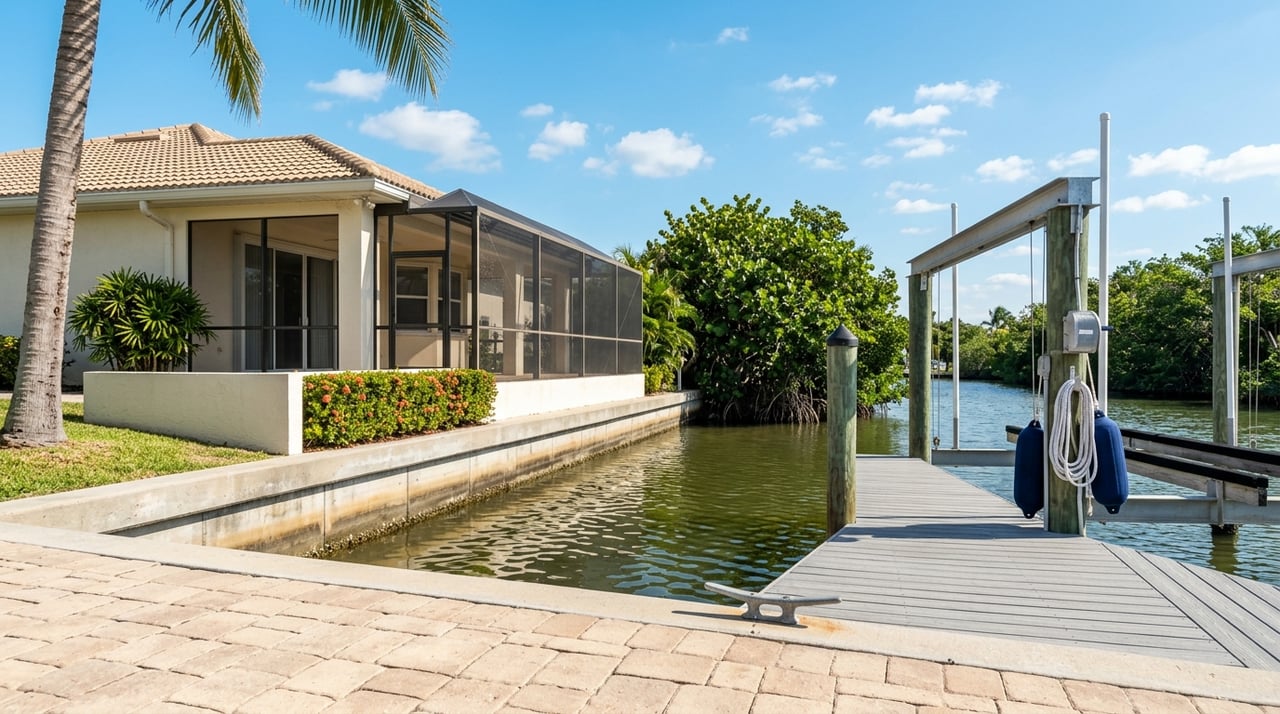
Canal access is usually the most dock-focused option. In many cases, your home sits on an interior canal or channel rather than open water. That often means calmer conditions at the dock, which can make loading the boat, stepping onto a lift, or heading out for a short trip feel easier.
The tradeoff is that canal access depends heavily on the route. A canal may look ideal on a map, but your experience can change based on channel width, depth, turning radius, and whether the path out is direct or indirect. In Hernando County, official records also show active canal maintenance review west of US 19, along with idle-speed and no-wake conditions in a Weeki Wachee to Mud Lake cut-through area.
What canal buyers should look at
If you are comparing canal properties, pay close attention to the details that affect actual use:
- Low-tide depth at the dock and along the route out
- Width of the canal and turning space for your boat
- Whether access is direct or depends on another lift or control point
- Any idle-speed or no-wake restrictions on the route
- The condition and permitting status of the dock, lift, and seawall
These points matter because waterfront improvements are not just nice extras. Hernando County’s fee schedule specifically lists residential permits for docks, boat lifts, and seawalls, which shows how central those features are to a proper waterfront evaluation.
Private lift or shared system?
This is one of the biggest questions canal buyers should ask early. Some properties may have a private lift, while others may rely on a homeowners’ association or a special access system. County meeting records note that the Hernando Beach South boat lift was created to provide Gulf access for those subdivisions, with access keys managed through the homeowners’ board.
That means you should not assume that every waterfront lot gives you the same level of control. Before you move forward, it is smart to confirm who maintains the lift, who controls access, and whether any shared arrangement affects your daily use.
River access on the Weeki Wachee
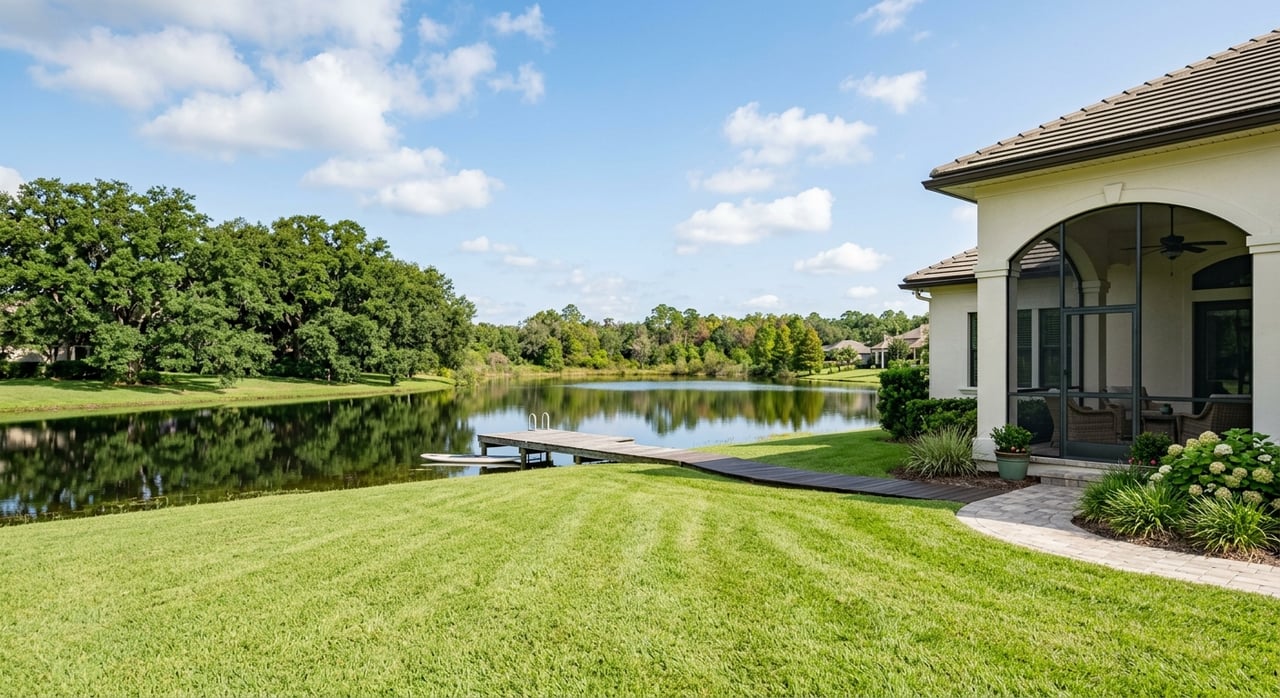
River access usually appeals to buyers who want a more scenic, nature-forward setting. The Weeki Wachee River is a first-magnitude spring system, and it offers a very different feel from a typical canal. Depending on the exact location, you may get a more natural waterfront experience with strong paddling and sightseeing appeal.
At the same time, river access comes with more rules and more sensitivity to how the waterway is used. The upper river is freshwater, while the lower section becomes estuarine or brackish downstream of Shoal Line Boulevard. The Southwest Florida Water Management District also notes that the lower section has been dredged and channelized with canals for riverfront homes and businesses, so some riverfront areas can feel more natural while others feel closer to canal living.
River rules to understand
Buyers should be especially careful to understand the protection rules on the Weeki Wachee River. The Florida Fish and Wildlife Conservation Commission created the Weeki Wachee Springs Protection Zone, which prohibits anchoring, mooring, beaching, or grounding vessels within a 5.61-mile protected area from the headsprings to Rogers Park. Hernando County also explains that this rule regulates vessel activity but does not close the river to the public.
That distinction matters. You may still enjoy the water, but your boating habits and stopping points may be more limited than you expect if you are new to this river system.
Public river access shows the tradeoffs
Local launch points help illustrate what river access can look like in practice. Rogers Park offers boating, kayaking, swimming, and beach-style recreation, but Hernando County says the launch channel is narrow and shallow. County survey feedback also identified wait times, parking limits, and shallow-water concerns there.
Jenkins Creek is more limited. Hernando County describes it as a one-lane ramp intended for small boats or canoes, though it still provides access to the Gulf of Mexico. For some buyers, that reinforces the value of owning a property with private water access instead of relying on public launch points.
Gulf access and open-water priority
If your main goal is getting out to open water fast, Gulf access is usually the clearest fit. Hernando County states that the Hernando Beach Boat Ramp provides direct access to the Gulf of Mexico from the Hernando Beach Channel. Bayport Park also provides direct access to the Gulf, the Weeki Wachee River, and the Mud River through Bayport Channel.
For serious boaters or buyers who care most about fishing runs, this can be the most appealing option. County survey results for these facilities highlight quick Gulf access as a major advantage. If open-water boating is your priority, that direct route can be a major lifestyle benefit.
The exposure tradeoff
The biggest tradeoff with Gulf-oriented property is exposure. Hernando County’s flood resources note that flooding can come from storm surge, river rise, and drainage issues. The county also stresses that FEMA flood maps, local watershed data, and elevation certificates all matter when evaluating property risk.
For you as a buyer, that means the access route is only part of the story. You also want to understand the property’s floodplain context, any available elevation documentation, and how the home was designed or improved for waterfront conditions.
A simple way to compare all three
If you are deciding between canal, river, or Gulf access near Hernando Beach, this framework can help:
| Access type | Best fit for | Main benefit | Main caution |
|---|---|---|---|
| Canal access | Buyers who want dock convenience and calmer water at home | Easy dock use and sheltered feel | Route may depend on depth, width, and local restrictions |
| River access | Buyers who value scenery, paddling, and a more natural setting | Strong lifestyle appeal and scenic surroundings | More rules and limits on vessel activity |
| Gulf access | Buyers who want quicker open-water boating | Fast access to the Gulf | Greater attention needed for weather, tides, and flood planning |
The right answer depends on how you actually plan to use the property. A buyer who wants easy weekend dock life may prefer canal access. A buyer who loves natural scenery may lean toward the river. A buyer focused on open-water runs may see Gulf access as the clear winner.
What to verify before you make an offer
Before you commit to any waterfront home near Hernando Beach, it helps to ask very specific questions. Broad marketing terms are not enough when access, permitting, and flood planning can directly affect how you live in the home.
Start with these:
- Is the property canal, river, or direct Gulf access?
- What is the low-tide depth at the dock and along the route?
- How much turning room does your boat need?
- Are there idle-speed, no-wake, or protection-zone rules on the route?
- Who maintains the dock, lift, seawall, or access gate?
- Are permits in place for waterfront improvements?
- Does the home have the flood documentation your lender or insurer may request?
These are not minor details. Hernando County’s permit and floodplain information shows why they matter, especially in Special Flood Hazard Areas where elevation certificates can play an important role. The county also notes that older homes may not have an elevation certificate on file, which is worth checking early in the process.
Why local guidance matters
Waterfront buying near Hernando Beach is rarely just about finding a pretty lot on the water. It is about matching the property to your boating habits, your comfort with local rules, and your tolerance for upkeep and flood-related planning. The more specific your questions are, the better your decision tends to be.
If you are starting from Sugarmill Woods and looking at nearby waterfront options, a local comparison can save you time and frustration. Canal, river, and Gulf access can all work well, but they do not serve the same kind of buyer in the same way.
If you want help comparing waterfront homes, reviewing access details, or narrowing down which setup fits your goals, Elizabeth Narverud can help you make a confident, informed move.
FAQs
What does canal access mean near Hernando Beach?
- Canal access usually means the home fronts an interior canal or channel, and the boating experience depends on water depth, route layout, channel width, and local speed restrictions.
What does river access mean on the Weeki Wachee River?
- River access means your property connects to the Weeki Wachee River system, which offers a more scenic setting but also includes protected areas and vessel-use rules that buyers should review carefully.
What does Gulf access mean for a Hernando County waterfront home?
- Gulf access means the route allows a boat to reach the open Gulf from a local channel or river system, often with quicker open-water access than interior canal or river locations.
What should Sugarmill Woods buyers verify before buying waterfront property near Hernando Beach?
- Buyers should verify access type, low-tide depth, turning room, route restrictions, dock and lift maintenance responsibility, permit status for waterfront improvements, and flood-related documentation.
Why do permits matter for Hernando Beach waterfront features?
- Permits matter because features like docks, boat lifts, and seawalls are important parts of waterfront use, value, and compliance, and Hernando County specifically lists permit fees for these residential improvements.
Why is flood documentation important for Gulf or river access homes in Hernando County?
- Flood documentation is important because Hernando County says flood risk evaluation can involve FEMA flood maps, watershed data, and elevation certificates, all of which may affect lending, insurance, and planning.